Yükleniyor…
70 bayrakta kullanılıyor#0A2463
Navy
Navy tones; symbol of maritime tradition and loyalty.
Rengin Hikayesi
From the Ocean's Depths to the Flagpole
Navy blue occupies a singular place in the history of flags, woven into banners for centuries as the symbol of humanity's ancient and existential bond with the sea. This deep tone, known across languages as navy or ultramarine, was once produced from lapis lazuli stone in medieval Europe — a pigment more precious than gold, reserved exclusively for the most powerful kingdoms. That rare and costly origin cemented navy blue as the colour of authority, nobility, and sovereign power.
With the opening of the Age of Sail, navy blue became the emblem of the European maritime powers that mastered the world's oceans. The hue permeated the uniforms and ensigns of the British Royal Navy, gradually spreading across the entire Commonwealth world. Nations that conquered the seas placed this colour at the heart of their identity, a legacy that continues to live vibrantly in the flags of today.
Oceania's Endless Horizon: Navy Blue Across Pacific Flags
The dominant background colour of the flags of Australia and New Zealand, navy blue simultaneously carries two distinct layers of meaning: a direct reference to the British Royal Navy and the colonial heritage, and a tribute to the vast Pacific and Indian Oceans that surround these nations. In both flags, the Union Jack in the upper-left canton and the stars on the right visually reinforce this dual identity.
For Marshall Islands and Nauru, navy blue tells a different story. For these small island states, the blue field directly represents the ocean waters that constitute virtually the entirety of their world — the land may be small, but the sea is infinite. The two diagonal stripes on the Marshall Islands flag — one orange, one white — evoke a ray of sunlight across that blue ocean, powerfully affirming the nation's Pacific identity.
On the flag of Cabo Verde, navy blue narrates yet another tale. Positioned in the middle of the Atlantic Ocean, this island nation chose a deep blue field after independence to symbolise both the surrounding sea and the ideals of hope and freedom. The ring of ten golden stars represents the country's ten islands, while the navy background embraces that unity with quiet, enduring strength.
The Colour of Power, Loyalty, and Eternity
The symbolic map of navy blue in vexillology is remarkably broad. Trustworthiness, loyalty, and stability are its most universal associations, which is why so many nations seeking to project state authority and institutional continuity turn to this colour. The navy field of the European Union flag is no accident: there, blue speaks of peace, harmony, and the unity of Europe's peoples.
From a religious and cosmic perspective, navy blue represents the divine and eternity across many cultures. As the colour of the sky above and the depths below, it is deeply embedded in the collective human subconscious. This resonance appears in the blue stripes of the flag of Israel, which draw inspiration from the Jewish tallit (prayer shawl) tradition. Thus, navy blue proves itself a colour capacious enough to encompass both the concrete geography of the earth and the abstract realm of faith.
Present on a significant portion of the world's flags, navy blue is reborn with a different layer of meaning in every corner of the globe: ocean in the Pacific, unity in Europe, faith in the Middle East, and freedom in the Atlantic. In the field of vexillology, few colours command such a wide spectrum of meaning, which makes navy blue one of the most powerful and multi-layered colours in the art of flag design.
70 bayrakta kullanılıyor
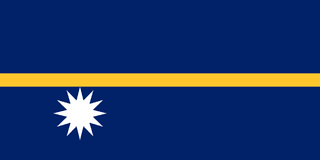
Nauru
Okyanusya
%90
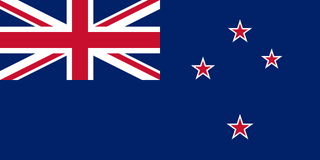
New Zealand
Okyanusya
%81
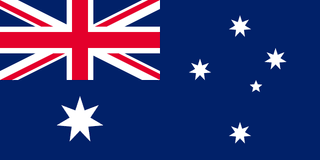
Australia
Okyanusya
%79
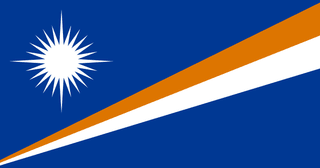
Marshall Islands
Okyanusya
%75
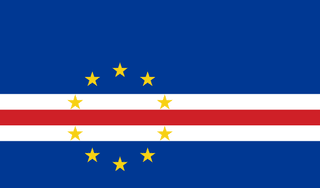
Cape Verde
Afrika
%75
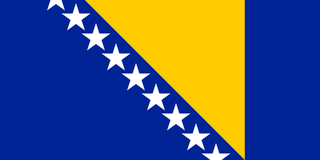
Bosnia and Herzegovina
Avrupa
%71
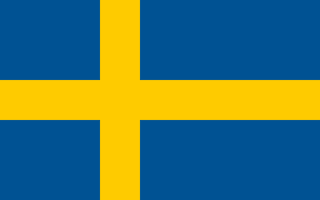
Sweden
Avrupa
%70
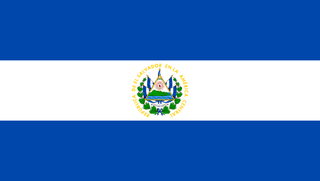
El Salvador
Amerika
%69
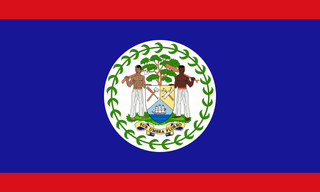
Belize
Amerika
%68
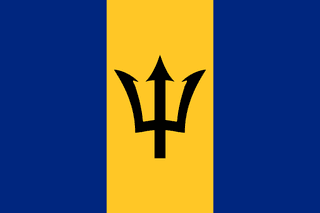
Barbados
Amerika
%67
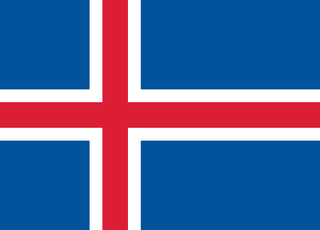
Iceland
Avrupa
%65
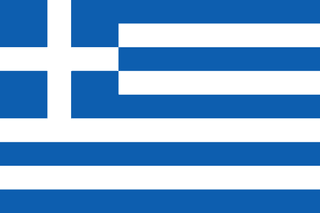
Greece
Avrupa
%57
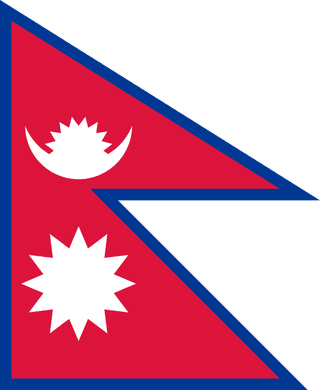
Nepal
Asya
%55
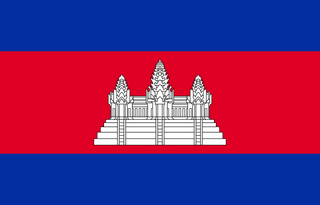
Cambodia
Asya
%51
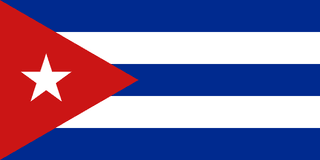
Cuba
Amerika
%49
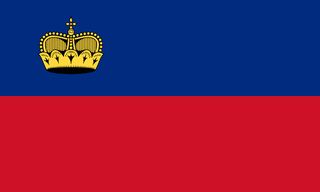
Liechtenstein
Avrupa
%47
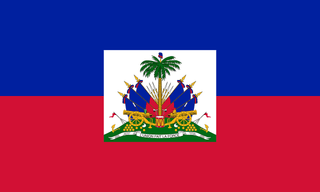
Haiti
Amerika
%47
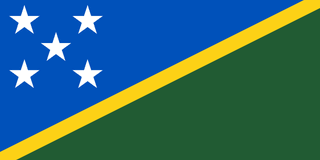
Solomon Islands
Okyanusya
%42
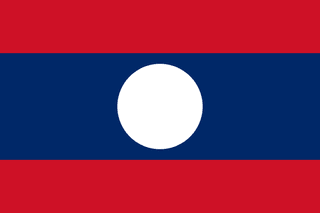
Laos
Asya
%42
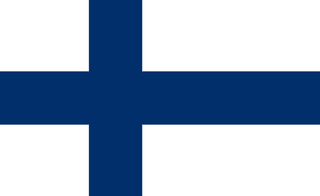
Finland
Avrupa
%40
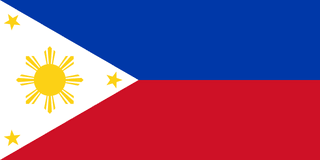
Philippines
Asya
%39
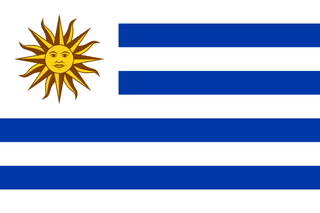
Uruguay
Amerika
%37
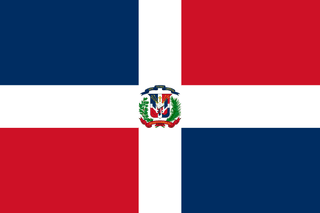
Dominican Republic
Amerika
%36
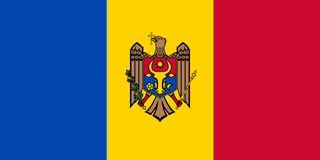
Moldova
Avrupa
%35
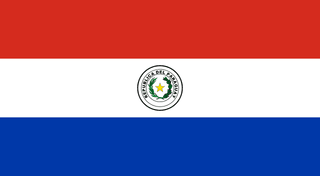
Paraguay
Amerika
%35
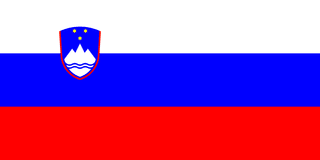
Slovenia
Avrupa
%35
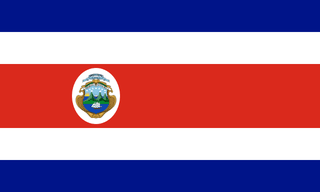
Costa Rica
Amerika
%34
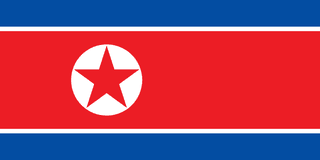
North Korea
Asya
%34
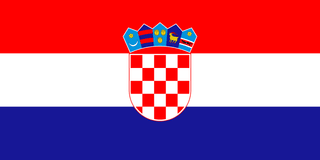
Croatia
Avrupa
%34
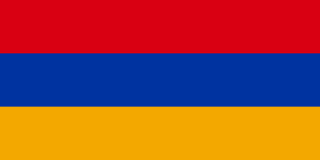
Armenia
Asya
%34
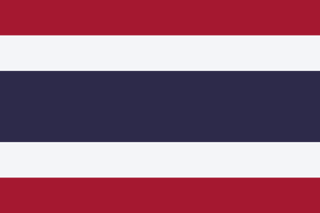
Thailand
Asya
%34
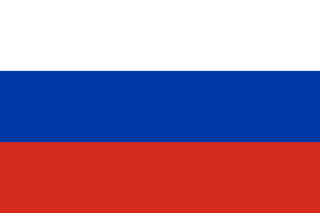
Russia
Avrupa/Asya
%34
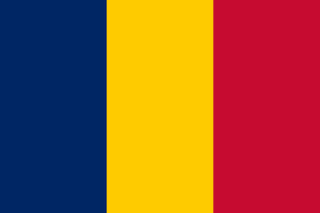
Chad
Afrika
%34
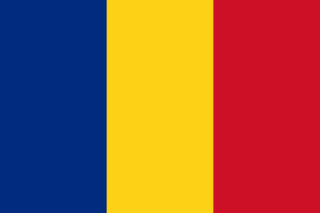
Romania
Avrupa
%34
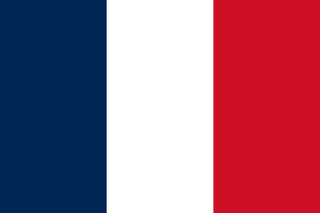
France
Avrupa
%34
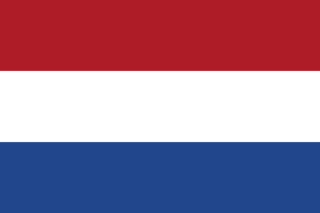
Netherlands
Avrupa
%33
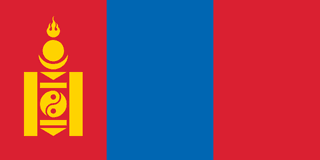
Mongolia
Asya
%33
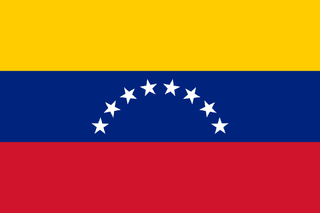
Venezuela
Amerika
%33
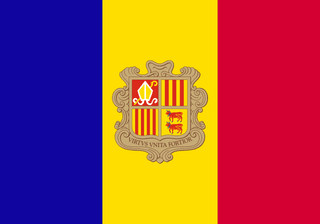
Andorra
Avrupa
%32
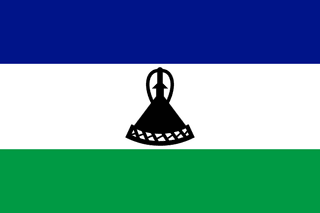
Lesotho
Afrika
%30
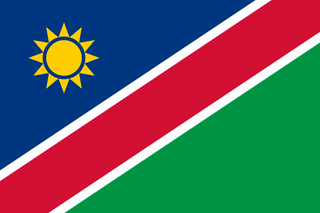
Namibia
Afrika
%29
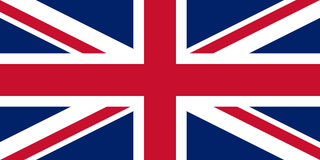
United Kingdom
Avrupa
%28
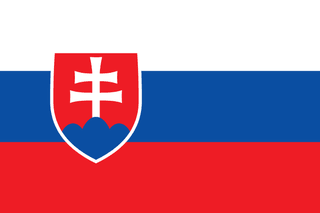
Slovakia
Avrupa
%27
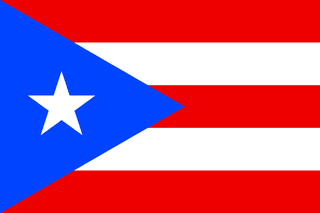
Puerto Rico
Amerika
%27
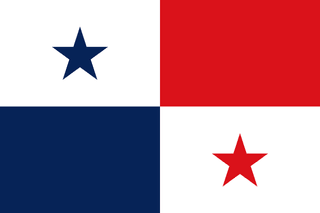
Panama
Amerika
%27
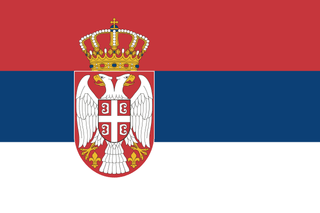
Serbia
Avrupa
%25
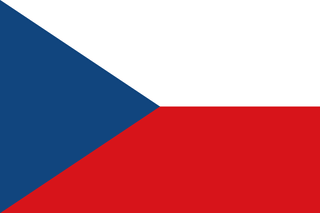
Czechia
Avrupa
%25
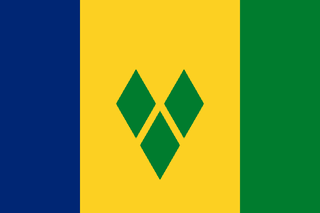
Saint Vincent and the Grenadines
Amerika
%25
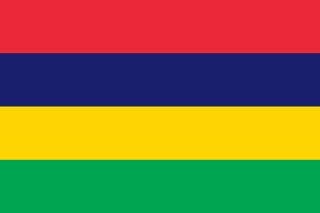
Mauritius
Afrika
%25
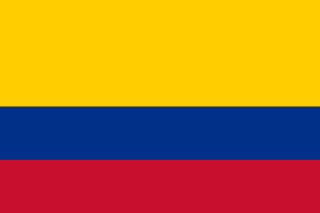
Colombia
Amerika
%25
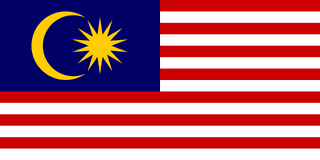
Malaysia
Asya
%25
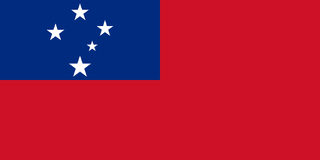
Samoa
Okyanusya
%24
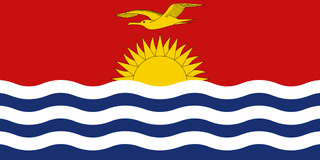
Kiribati
Okyanusya
%24
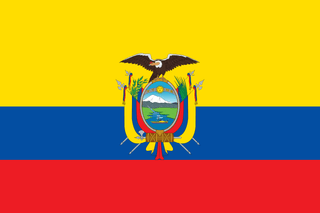
Ecuador
Amerika
%24
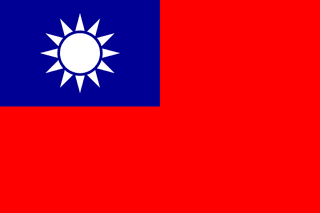
Taiwan
Asya
%22
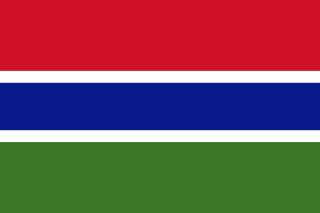
Gambia
Afrika
%22
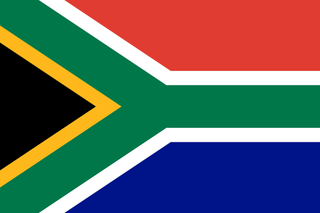
South Africa
Afrika
%21
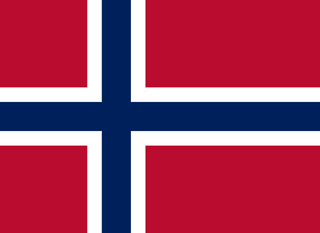
Norway
Avrupa
%20
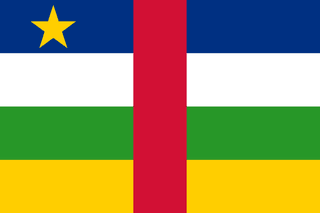
Central African Republic
Afrika
%20
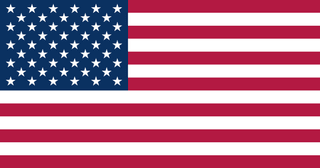
United States
Amerika
%19
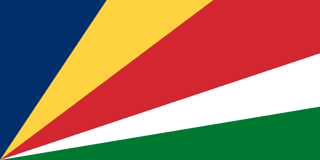
Seychelles
Afrika
%17
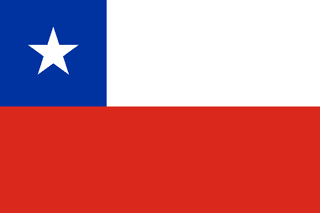
Chile
Amerika
%16
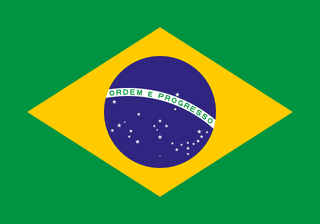
Brazil
Amerika
%12
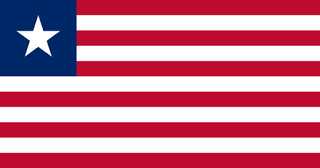
Liberia
Afrika
%10
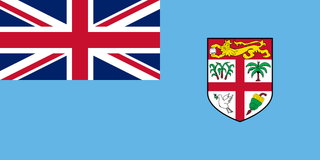
Fiji
Okyanusya
%9
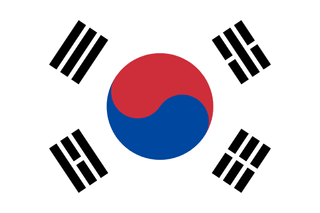
South Korea
Asya
%8
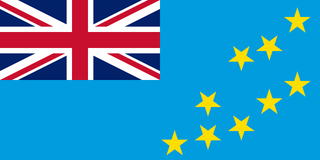
Tuvalu
Okyanusya
%6
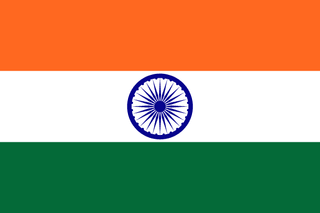
India
Asya
%2
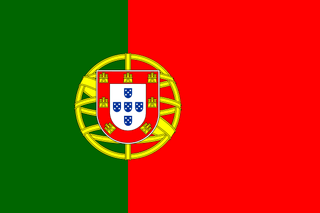
Portugal
Avrupa
%1
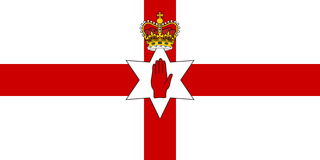
Northern Ireland
Avrupa
%0


