Yükleniyor…
38 bayrakta kullanılıyor#14532D
Dark Green
Forest and sea green tones; deep expression of natural wealth.
Rengin Hikayesi
An Oasis in the Desert: Dark Green and Its Encounter with Islam
Among all flag colors, dark green may carry the deepest narrative. Its entanglement with political identity traces largely to the early centuries of Islamic civilization. Traditions holding that the Prophet Muhammad's banner was green gradually transformed this color into the symbolic hue of Islam across the centuries.
During the Abbasid and Fatimid caliphates, green appeared everywhere from court ceremonies to battle standards. Over time, darker and denser shades became preferred, reinforcing both the visual gravitas of the color and its connotations of sanctity. The deep green field of Saudi Arabia's flag today is the direct heir to this enduring tradition.
The Saudi Arabian flag, with its Shahada and sword motif set against the dark ground, transforms the color into a visual declaration of state doctrine. No other national flag in the world uses a single color so starkly and powerfully to narrate both faith and political will.
The Color of Fertile Lands: From Nature to National Identity
Dark green's journey through the world of flags extends well beyond religious symbolism. In South Asia and the Caribbean, the color has become synonymous with agriculture, abundance, and life. The flag of Bangladesh, read alongside its red disc, reveals a dark green field that evokes the country's alluvial deltas and rice paddies.
On the flag of Pakistan, dark green represents the Muslim majority, while the white stripe stands for the country's minorities. This pairing compresses the complex demographic reality born of the 1947 partition into a single visual formula. The choice of such an intense, dark shade is directly linked to the desire to project a strong and unambiguous political message.
Dominica's flag offers a different register of natural symbolism. As one of the most rugged and forested islands in the Caribbean, Dominica uses dark green for its rainforests and volcanic peaks. Paired with the rare Sisserou parrot at the center, this flag is one of the rare examples where dark green is tied directly to biodiversity and ecological identity.
Flag of the Steppe: Turkmenistan and the Post-Soviet Green
The flag of Turkmenistan adds a new layer of meaning to dark green's historical spectrum: the Turkic-Islamic synthesis. After declaring independence following the collapse of the Soviet Union in 1991, Turkmenistan adopted dark green as its dominant color, paying homage to both Islamic tradition and Turkic heritage.
The carpet-pattern stripe along the flag's hoist is a design element without parallel in the world. Its five distinct motifs represent Turkmenistan's five major tribes. The dark green field serves simultaneously as a neutral backdrop and as an amplifying context for that stripe — without the color, the cultural weight of the patterns would be diminished.
The rediscovery of dark green in the post-Soviet landscape demonstrates just how flexible a narrative tool this color can be. Religion, identity, nature, and political liberty — disparate concepts that nevertheless converge under the shade of a single hue. From a vexillological standpoint, dark green remains perhaps the most meaning-laden color in the flag world, rivaled only by black and red.
38 bayrakta kullanılıyor
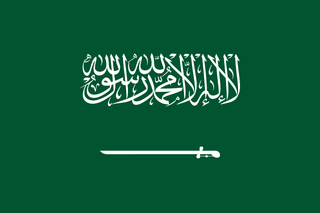
Saudi Arabia
Asya
%96
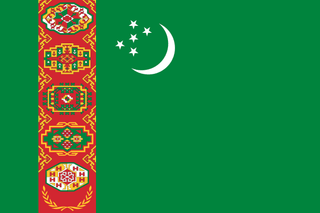
Turkmenistan
Asya
%84
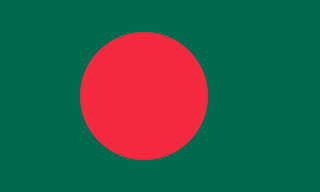
Bangladesh
Asya
%79
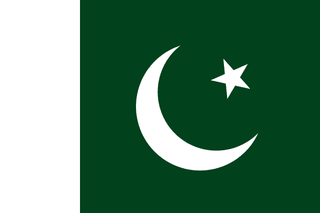
Pakistan
Asya
%69
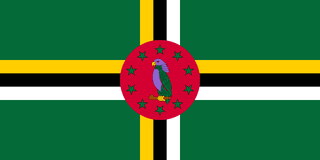
Dominica
Amerika
%66
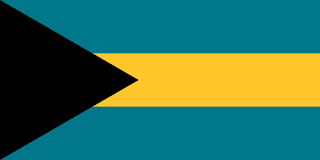
Bahamas
Amerika
%57
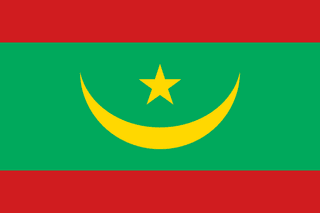
Mauritania
Afrika
%56
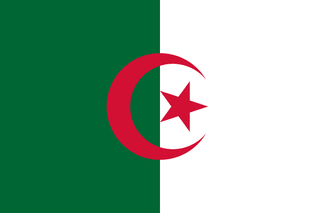
Algeria
Afrika
%46
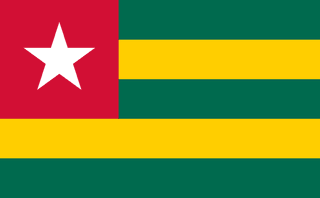
Togo
Afrika
%45
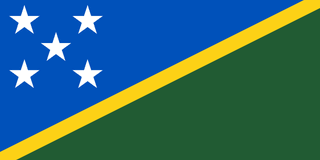
Solomon Islands
Okyanusya
%45
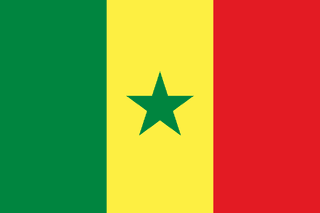
Senegal
Afrika
%36
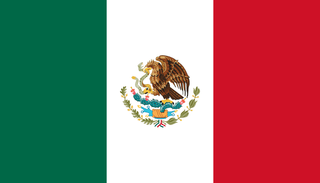
Mexico
Amerika
%36
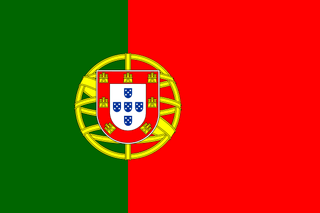
Portugal
Avrupa
%35
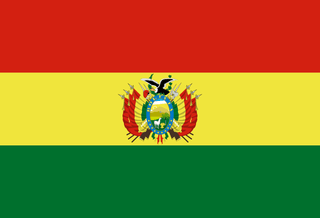
Bolivia
Amerika
%35
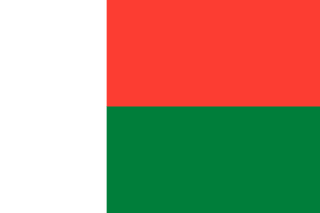
Madagascar
Afrika
%34
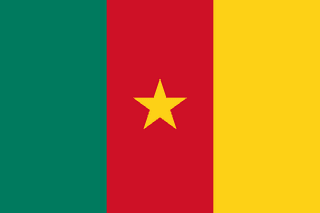
Cameroon
Afrika
%34
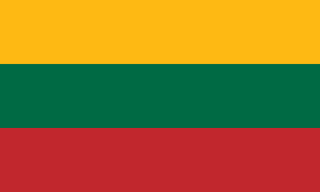
Lithuania
Avrupa
%33
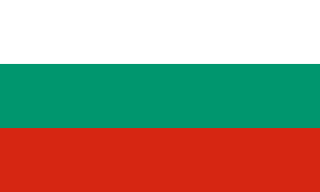
Bulgaria
Avrupa
%33
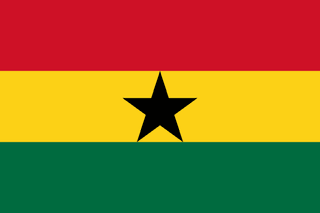
Ghana
Afrika
%33
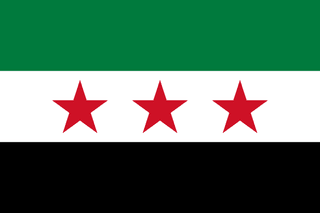
Syria
Asya
%33
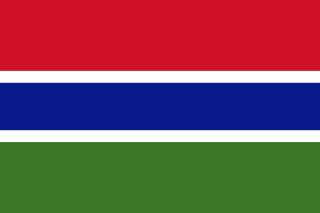
Gambia
Afrika
%33

Hungary
Avrupa
%33
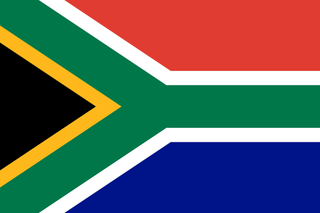
South Africa
Afrika
%32
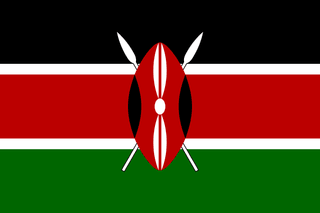
Kenya
Afrika
%29
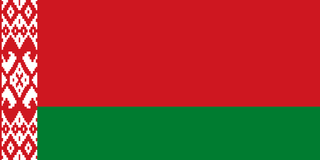
Belarus
Avrupa
%29
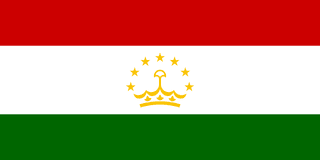
Tajikistan
Asya
%29
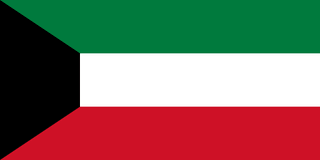
Kuwait
Asya
%29
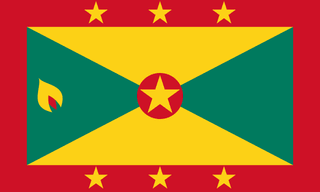
Grenada
Amerika
%28
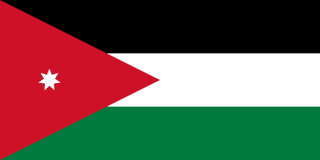
Jordan
Asya
%28
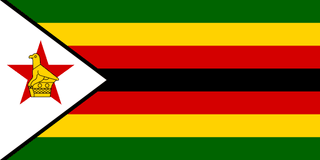
Zimbabwe
Afrika
%27
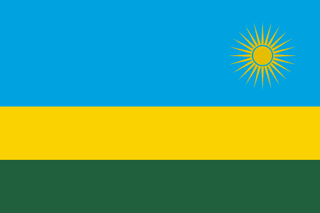
Rwanda
Afrika
%25
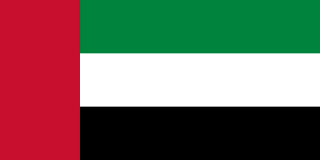
United Arab Emirates
Asya
%25
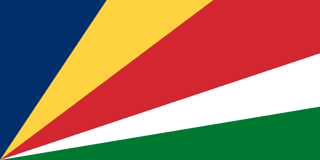
Seychelles
Afrika
%17
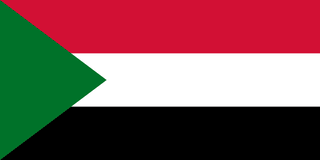
Sudan
Afrika
%17
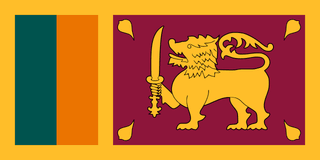
Sri Lanka
Asya
%11
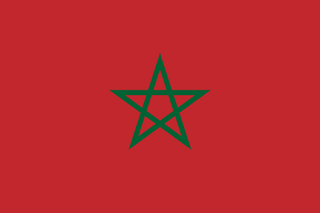
Morocco
Afrika
%3
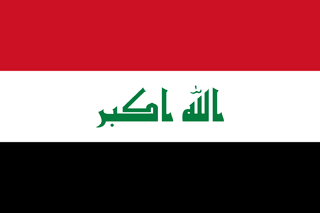
Iraq
Asya
%3
Cyprus
Avrupa/Asya
%2


