Yükleniyor…
47 bayrakta kullanılıyor#16A34A
Green
Color of nature, agriculture, and abundance; also a symbol of Islam and Pan-Africanism.
Rengin Hikayesi
From Soil to Standard: Green's Century-Long Journey
Green is among the oldest symbolic colors in human civilization. In Ancient Egypt, it represented the renewal of nature and the fertile lands of the Nile, while in medieval Europe it was used within the heraldry tradition as a symbol of hope and abundance. Yet green's true rise in modern vexillology came with the anti-colonial independence movements of the 19th and 20th centuries.
In the Islamic world, green holds a special place — the green dome above the Prophet's tomb and the color's association with paradise in Islamic tradition led many Muslim-majority nations to incorporate it into their flags. In Africa, green took on yet another layer of meaning: as the color of soil, forest, and vital energy, it moved to the heart of pan-African identity, standing in defiant contrast to the grey monotony of colonial rule.
A Thousand Meanings in One Color: Abundance, Faith, and Freedom
No flag color carries a wider symbolic range than green. The deep green of Brazil's flag evokes the country's majestic Amazon rainforests and natural wealth, while simultaneously intertwining with a national identity forged in opposition to Portuguese colonialism. In Nigeria, the two green stripes represent the country's fertile agricultural lands and the hopeful energy of its youth.
The green field of Zambia's flag reflects the country's lush forests and agrarian way of life, reaching beyond even the famous Copper Belt to speak of a broader natural richness. In Guyana, a green triangle framed by a golden arrow symbolizes the nation's forest cover and the wealth drawn from its natural environment. Across all these examples, green simultaneously carries meanings of independence, fertility, and a deep bond with the land.
The green stripes on the flag of São Tomé and Príncipe evoke the tropical nature of both islands and the freshness of independence gained in 1975 from Portuguese colonial rule. The grand narrative of a small island nation once again reveals just how layered a symbol this color can be.
A Global Language of Leaves: Green Across the World's Flags
Today, green appears in the flags of more than 50 countries, making it the third most common flag color after blue and red. In the banners of Pakistan, Saudi Arabia, and Mauritania, where it serves as the dominant hue, green has become the global visual expression of Islamic identity. Libya took this symbolism to its apex between 1977 and 2011, flying what remains the only entirely monochrome national flag in history — a solid field of green.
In Europe, green is used far more sparingly and selectively; Ireland is the continent's most iconic exception. Associated with the Erin go Bragh tradition, Irish green has become a symbol of Celtic identity and the long struggle against British dominion. In the contemporary era, environmental movements and green political parties have claimed the color for themselves, adding yet another chapter to its rich symbolic repertoire.
Green's capacity to unite faith, land, and hope for the future within a single color marks it as the most versatile hue in the history of vexillology. This wealth of meaning — spanning colonial history, Islamic tradition, tropical rainforest, and open savanna — explains why green has endured for centuries as one of the most potent symbols of national identity the world over.
47 bayrakta kullanılıyor
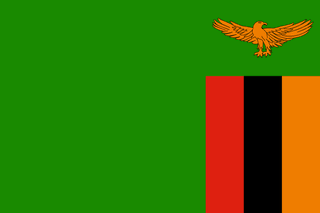
Zambia
Afrika
%75
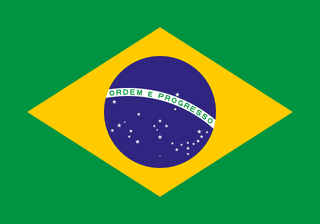
Brazil
Amerika
%69
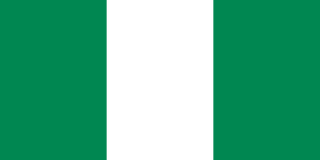
Nigeria
Afrika
%67
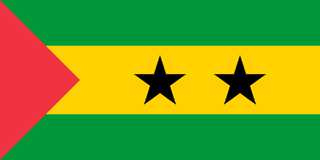
São Tomé and Príncipe
Afrika
%54
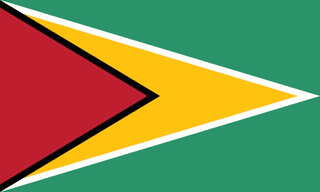
Guyana
Amerika
%50
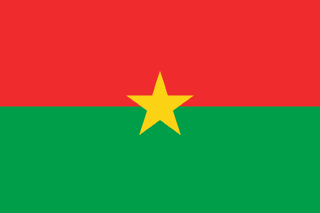
Burkina Faso
Afrika
%49
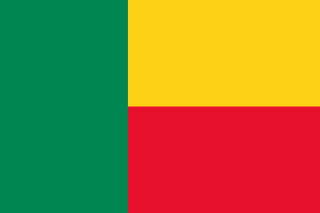
Benin
Afrika
%40
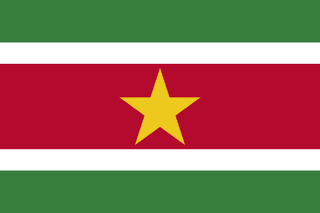
Suriname
Amerika
%39
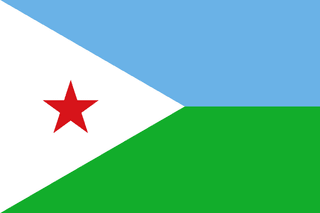
Djibouti
Afrika
%35
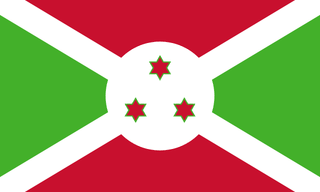
Burundi
Afrika
%35
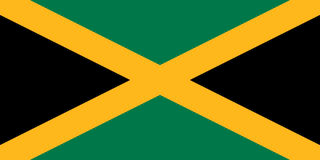
Jamaica
Amerika
%34
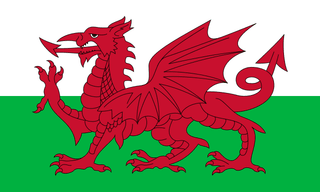
Wales
Avrupa
%34
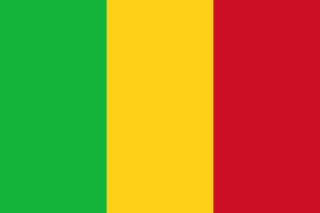
Mali
Afrika
%34
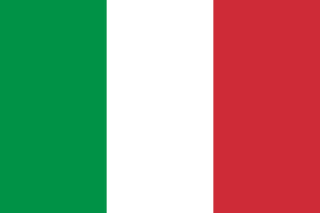
Italy
Avrupa
%34
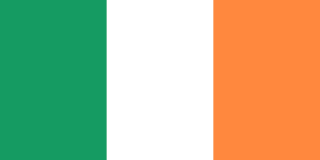
Ireland
Avrupa
%34
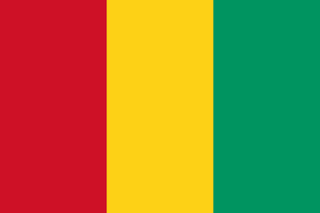
Guinea
Afrika
%34
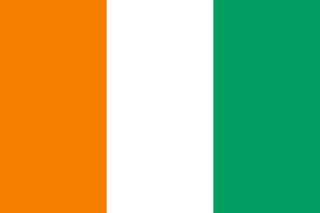
Côte d'Ivoire
Afrika
%34
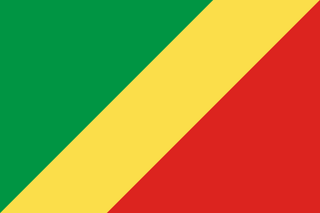
Republic of the Congo
Afrika
%34
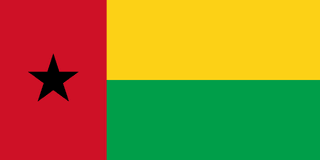
Guinea-Bissau
Afrika
%33
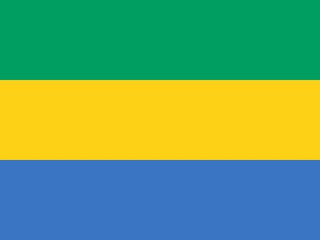
Gabon
Afrika
%33
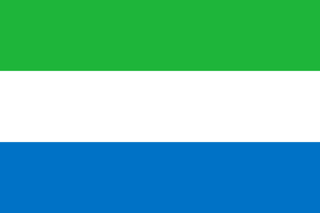
Sierra Leone
Afrika
%33
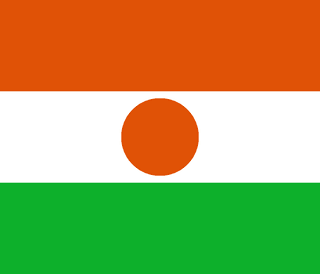
Niger
Afrika
%33
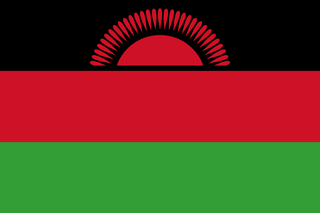
Malawi
Afrika
%33
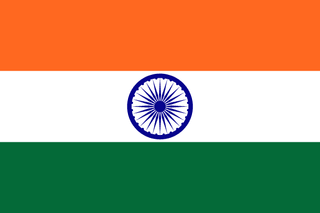
India
Asya
%33
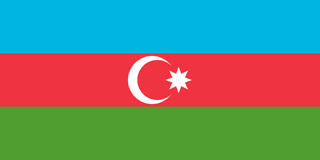
Azerbaijan
Asya
%33
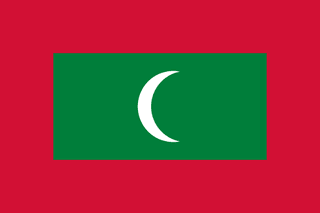
Maldives
Asya
%32
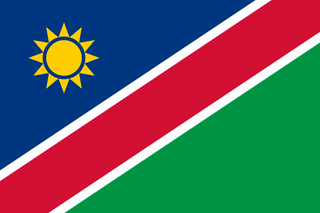
Namibia
Afrika
%32
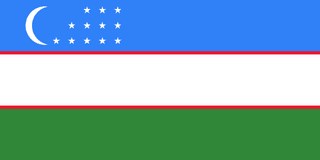
Uzbekistan
Asya
%32
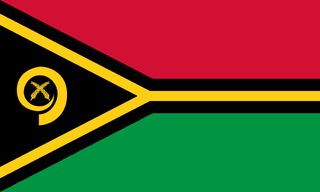
Vanuatu
Okyanusya
%32
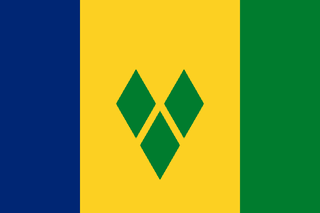
Saint Vincent and the Grenadines
Amerika
%31
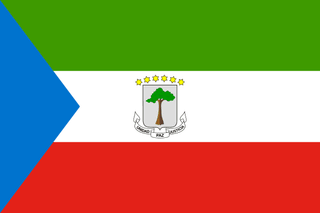
Equatorial Guinea
Afrika
%31
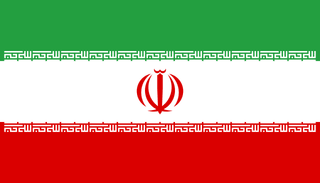
Iran
Asya
%31
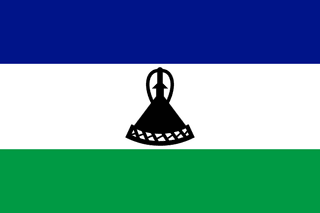
Lesotho
Afrika
%31
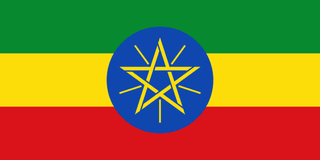
Ethiopia
Afrika
%30
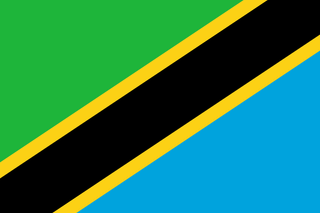
Tanzania
Afrika
%30
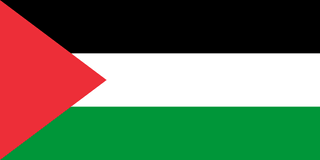
Palestine
Asya
%29
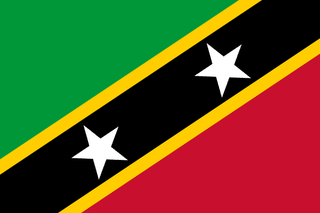
Saint Kitts and Nevis
Amerika
%28
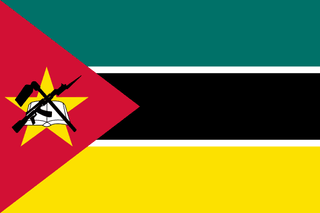
Mozambique
Afrika
%27
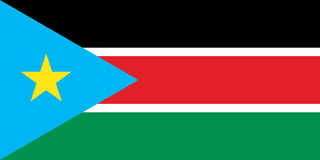
South Sudan
Afrika
%26
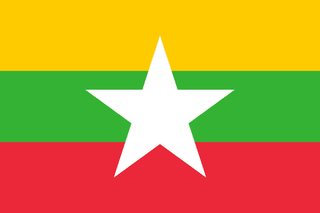
Myanmar
Asya
%26
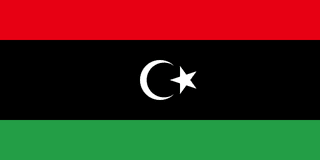
Libya
Afrika
%25
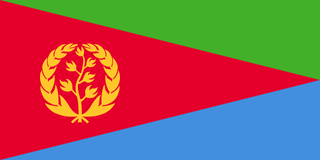
Eritrea
Afrika
%25
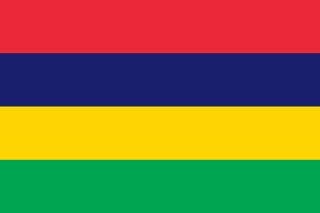
Mauritius
Afrika
%25
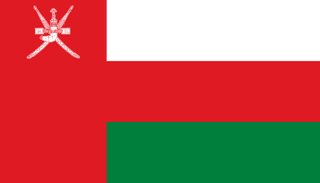
Oman
Asya
%22
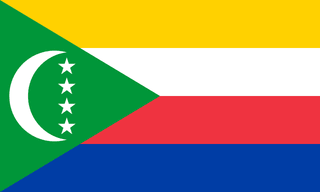
Comoros
Afrika
%22
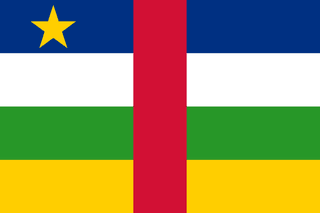
Central African Republic
Afrika
%21
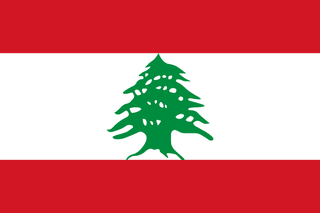
Lebanon
Asya
%7


