Yükleniyor…
45 bayrakta kullanılıyor#000000
Black
Color of resilience, determination, and the people; central to Pan-Arab and Pan-African symbolism.
Rengin Hikayesi
The Power of Darkness: Origins of Black in Vexillology
Black is one of the oldest symbolic colors in human history. In Ancient Egypt, it represented life itself as the color of the fertile Nile soil, while in medieval Europe it became synonymous with mourning and death. Its use in flags carries this layered duality into the modern era.
Tracing a line from medieval heraldry to modern state flags, black became deeply rooted in European political tradition as the field surrounding the eagle of the Holy Roman Empire. This legacy persists in the Schwarz-Rot-Gold tricolor of Germany, where black forms the uppermost stripe of the national flag.
In Islamic tradition, black gained profound political significance as the color of the Abbasid Caliphate. Throughout the Abbasid period stretching from 750 to 1258, the black banner symbolized caliphal authority, and this symbolic legacy left a lasting imprint on flag design across the Middle East.
Mourning, Resistance, and Identity: The Universal Symbolism of Black
The most striking symbolic use of black emerges in the context of African nationalism and independence movements. Marcus Garvey's early 20th-century Pan-African movement adopted the red-black-green tricolor as an emblem of the African diaspora, with black representing the skin and identity of African peoples.
In the flag of Papua New Guinea, the black field is a direct reference to the skin of the country's inhabitants and their traditional identity, while the black in Angola's flag symbolizes the country's deep connection to the African continent and the grief borne from the era of colonialism. These examples illustrate how black transforms into a concrete expression of identity.
The black stripe in the flag of Estonia carries an entirely different meaning: it represents the historical suffering of the Estonian people, the dark fertility of the soil, and the future worth fighting for. According to the official interpretation, black also signifies the earth itself, reflecting the nation's profound bond with nature.
From Battlefields to Modern States: Sharp Portraits in Black
The black stripe in the flag of Afghanistan carries the country's longest-standing chromatic legacy. Present in Afghan flags since the Hotaki Dynasty of 1709, black represents the dark chapters of the past and the historical struggle of its people. Through the country's many flag changes, black has remained one of the very few constants.
Libya presents a fascinating case study: the Libya of the Muammar Gaddafi era (1977–2011) used an entirely green flag, the only solid-color modern national flag in recorded history. After the 2011 revolution, black was reinstated within a tricolor design symbolizing both the Senussi dynastic tradition and the struggle for freedom.
Black also features in the flags of Belgium, Yemen, and Sudan, among many others across vastly different geographies. This wide distribution demonstrates that black carries no single cultural meaning; rather, each society reinterprets the color through its own history and identity. As the most enigmatic color in vexillology, black remains one of its richest and most rewarding subjects of study.
45 bayrakta kullanılıyor
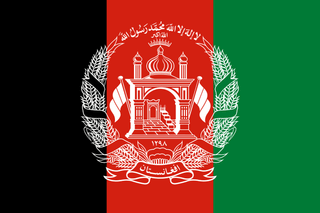
Afghanistan
Asya
%85
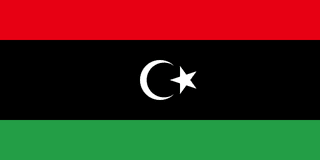
Libya
Afrika
%49
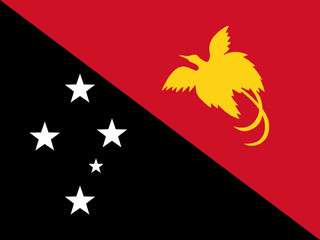
Papua New Guinea
Okyanusya
%48
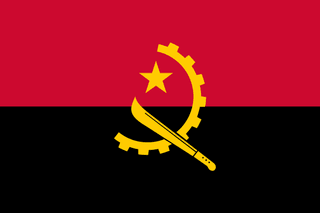
Angola
Afrika
%48

Estonia
Avrupa
%34

Belgium
Avrupa
%34
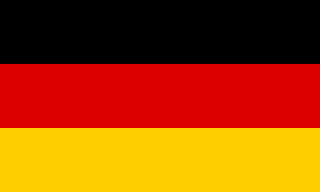
Germany
Avrupa
%33
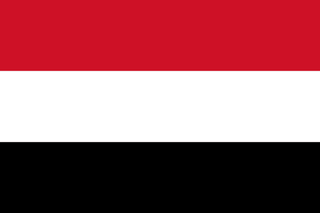
Yemen
Asya
%33
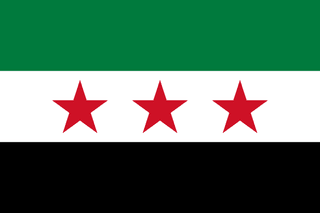
Syria
Asya
%33
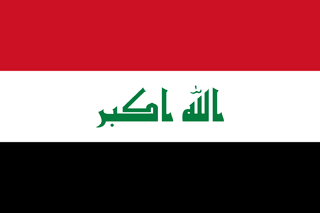
Iraq
Asya
%33
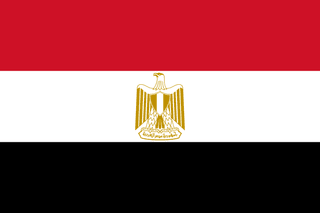
Egypt
Afrika
%33
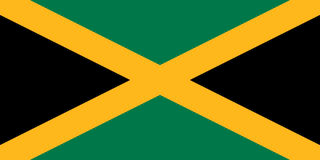
Jamaica
Amerika
%33
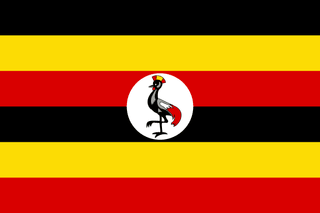
Uganda
Afrika
%32
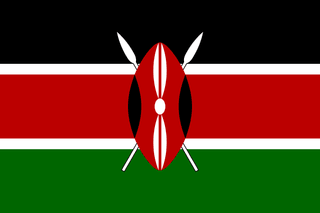
Kenya
Afrika
%30
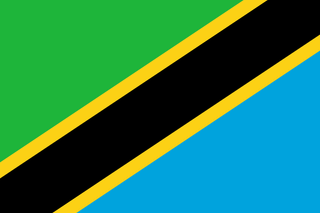
Tanzania
Afrika
%30
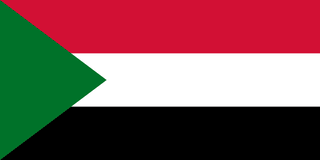
Sudan
Afrika
%29
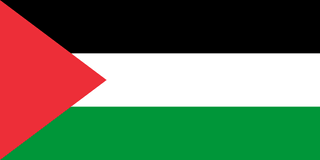
Palestine
Asya
%29
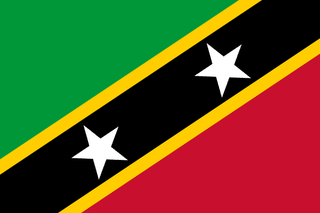
Saint Kitts and Nevis
Amerika
%29
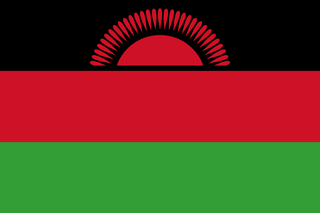
Malawi
Afrika
%28
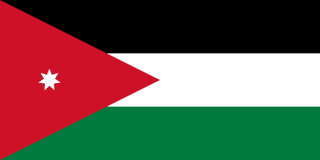
Jordan
Asya
%28
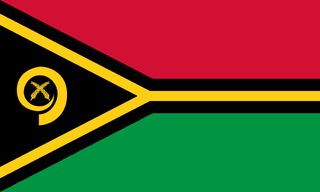
Vanuatu
Okyanusya
%27
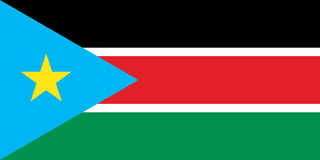
South Sudan
Afrika
%26
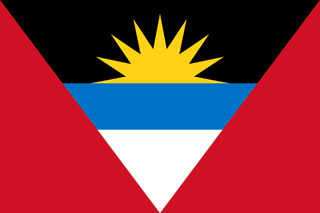
Antigua and Barbuda
Amerika
%26
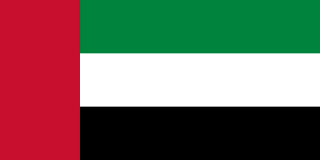
United Arab Emirates
Asya
%25
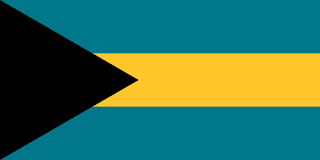
Bahamas
Amerika
%22
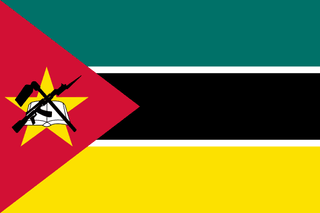
Mozambique
Afrika
%21
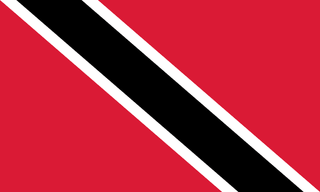
Trinidad and Tobago
Amerika
%20
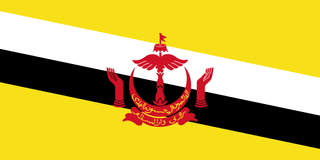
Brunei
Asya
%17
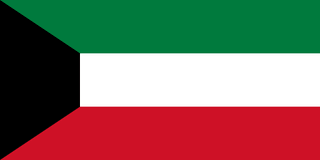
Kuwait
Asya
%17

Botswana
Afrika
%16

Timor-Leste
Asya
%15
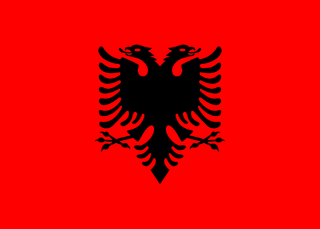
Albania
Avrupa
%12
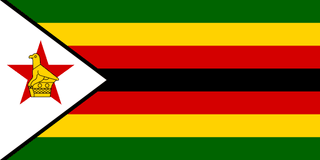
Zimbabwe
Afrika
%11
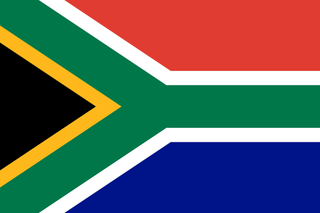
South Africa
Afrika
%9
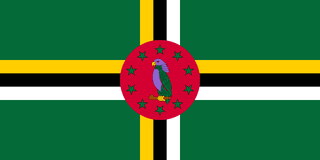
Dominica
Amerika
%8
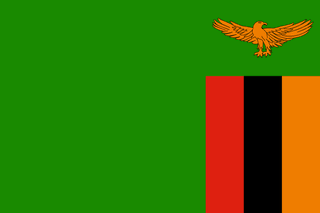
Zambia
Afrika
%8

South Korea
Asya
%7
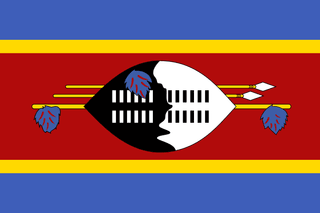
Eswatini
Afrika
%6
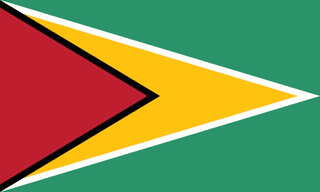
Guyana
Amerika
%4
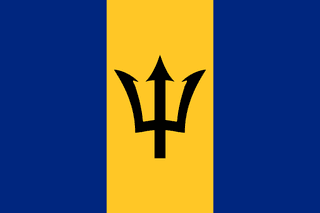
Barbados
Amerika
%4
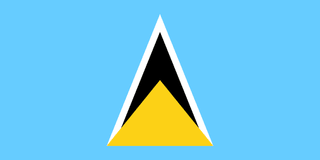
Saint Lucia
Amerika
%4
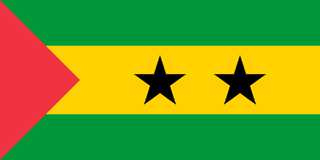
São Tomé and Príncipe
Afrika
%3
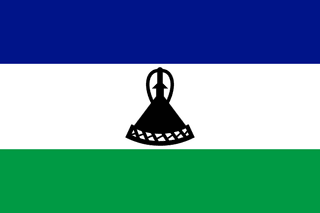
Lesotho
Afrika
%3
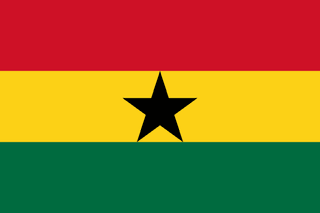
Ghana
Afrika
%3
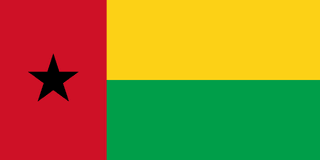
Guinea-Bissau
Afrika
%2


