Yükleniyor…
71 bayrakta kullanılıyor#D4AF37
Gold
Color of wealth, royalty, and value; a core element of Pan-African colors.
Rengin Hikayesi
The Color of Gods and Emperors
Gold holds the distinction of being one of humanity's oldest symbolic colors. In Ancient Egypt, pharaohs were depicted with golden skin because the flesh of the god Ra was believed to be made of gold. This divine association traveled through the centuries into European royal dynasties, Asian empires, and ecclesiastical iconography, transforming gold from a mere mineral into the visual language of immortality and divine authority.
In medieval Europe, a coat of arms was considered incomplete without gold; in the heraldic tradition, gold (or) represented the highest rank of all. This convention translated directly onto the flags of European monarchies. The deep yellow-gold stripe of the Kingdom of Spain carries the enduring imprint of this tradition, inherited from the coats of arms of the Houses of Castile and Aragon.
From the Sun to Sovereignty: Gold's Symbolic Transformation
Gold's most powerful association in flag symbolism is the sun. Because the sun represents fertility, life, and enlightenment, many nations consciously embraced this identification. The broad golden stripe on the flags of Colombia and Ecuador symbolizes the land's abundant natural wealth, its sunlight, and the hopeful horizon of the independence era; the fact that both nations are heirs to Gran Colombia makes this shared color a historical bond as much as a visual one.
On the flag of Ukraine, the golden-yellow band acquires a wholly different meaning when paired with sky blue: the image of endless steppes and ripened wheat fields. This reading transforms the flag from a purely political emblem into a tableau expressing the deep bond between a people and their land. In Bhutan's flag, gold evokes the royal authority over which the dragon presides and the country's ancient Buddhist heritage.
Gold also emerged as the color of the promise of freedom and prosperity in anti-colonial movements. During Latin America's independence era, gold was chosen for flag designs as a symbol of natural resources and the continent's newly liberated power — a deliberate political manifesto rather than an aesthetic accident.
Gold Across the World's Flags
Today, approximately sixty percent of the world's flags incorporate yellow or gold tones, making it the second most common flag color after red. The gold on the flags of Colombia, Ecuador, Venezuela, and Bolivia reflects their shared inheritance from the ideals of Gran Colombia, while Germany's black-red-gold tricolor is rooted in the freedom colors of the revolutionary movement of 1848.
Across the African continent, gold figures prominently among the pan-African colors as a symbol of territorial wealth and anti-colonial resistance. The gold on the flags of Ghana, Senegal, Mali, and dozens of other African states is a powerful reference to the continent's vast natural resources both above and below ground. In Asian monarchies such as Bhutan, gold instead expresses the continuity of the royal dynasty and the notion of sacred protection.
Ultimately, gold speaks a universal language: at times a ripened wheat field, at times the sun itself, at times divine authority, and at times the hope of a people breaking free. This layered depth of meaning makes the tone rendered as #D4AF37 one of the most expressive and widely embraced colors in the entire field of vexillology.
71 bayrakta kullanılıyor
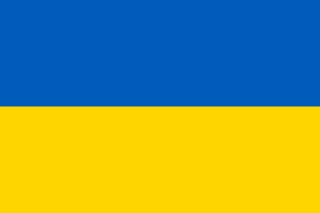
Ukraine
Avrupa
%50
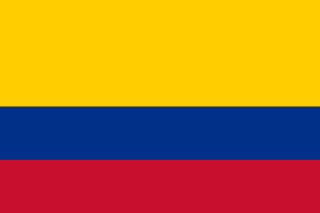
Colombia
Amerika
%50
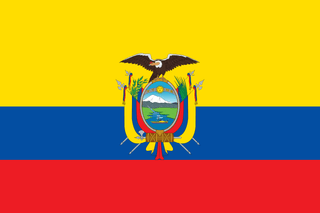
Ecuador
Amerika
%49
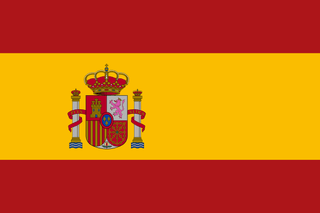
Spain
Avrupa
%46
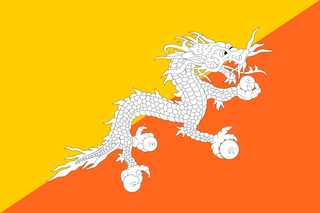
Bhutan
Asya
%45
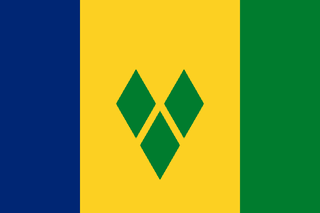
Saint Vincent and the Grenadines
Amerika
%44
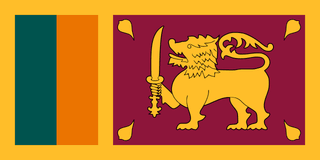
Sri Lanka
Asya
%41
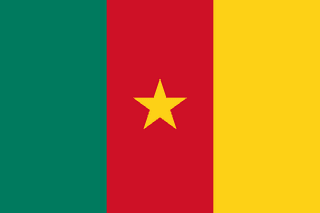
Cameroon
Afrika
%35
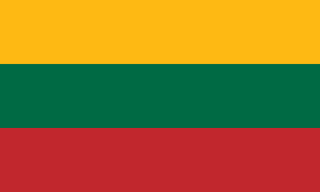
Lithuania
Avrupa
%33
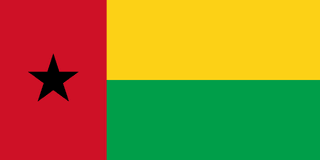
Guinea-Bissau
Afrika
%33
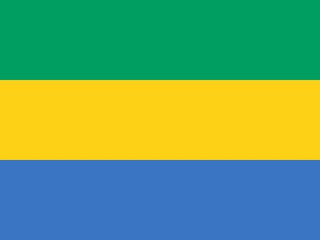
Gabon
Afrika
%33
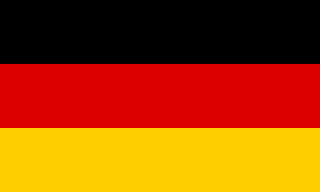
Germany
Avrupa
%33
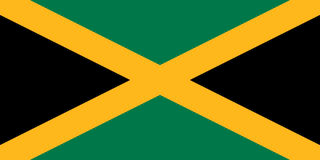
Jamaica
Amerika
%33
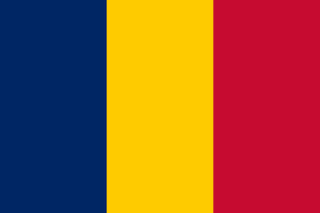
Chad
Afrika
%33
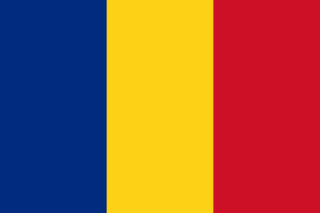
Romania
Avrupa
%33
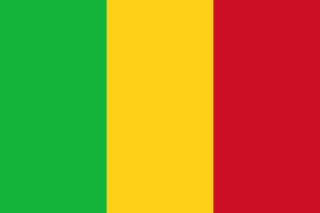
Mali
Afrika
%33
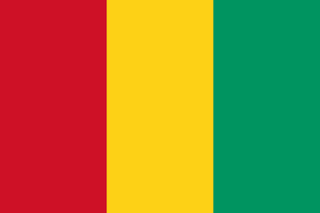
Guinea
Afrika
%33
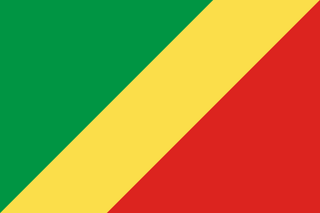
Republic of the Congo
Afrika
%33
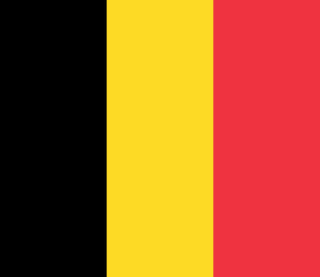
Belgium
Avrupa
%33
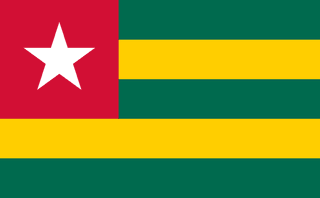
Togo
Afrika
%33
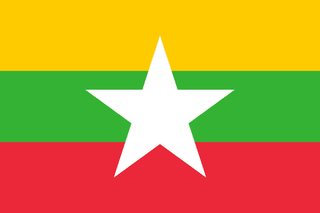
Myanmar
Asya
%33
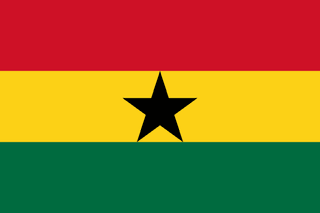
Ghana
Afrika
%31
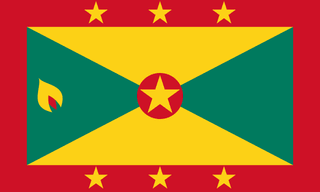
Grenada
Amerika
%31
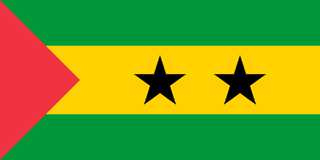
São Tomé and Príncipe
Afrika
%30
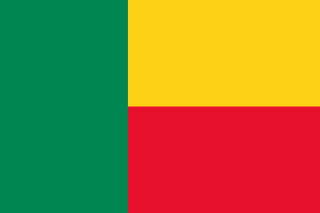
Benin
Afrika
%30
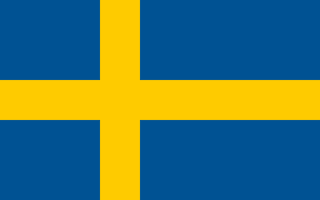
Sweden
Avrupa
%30
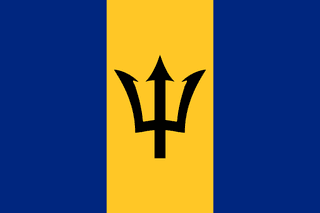
Barbados
Amerika
%29
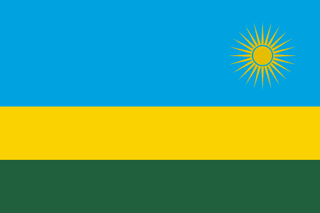
Rwanda
Afrika
%27
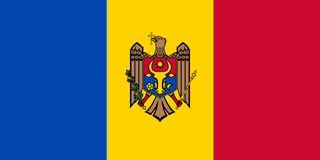
Moldova
Avrupa
%27
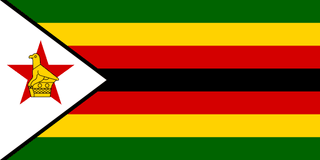
Zimbabwe
Afrika
%27
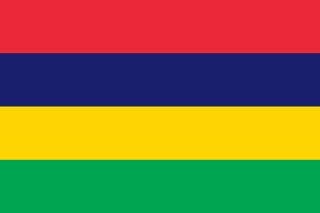
Mauritius
Afrika
%25
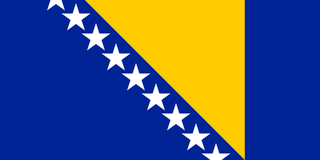
Bosnia and Herzegovina
Avrupa
%25
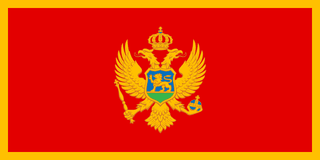
Montenegro
Avrupa
%24
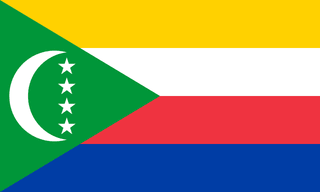
Comoros
Afrika
%22
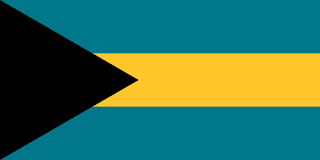
Bahamas
Amerika
%22
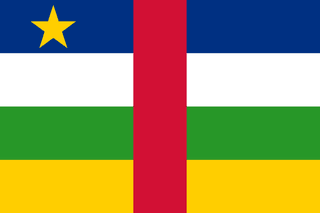
Central African Republic
Afrika
%22
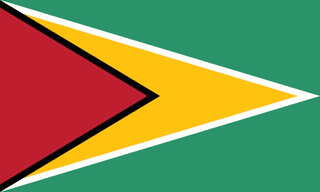
Guyana
Amerika
%19
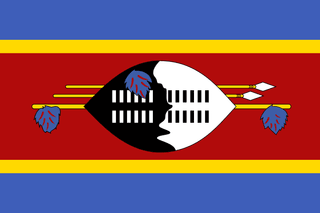
Eswatini
Afrika
%13
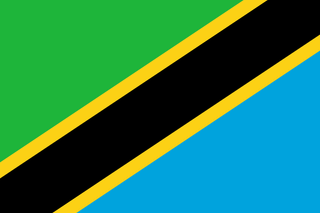
Tanzania
Afrika
%12
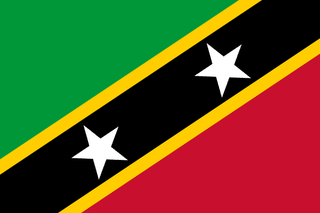
Saint Kitts and Nevis
Amerika
%11
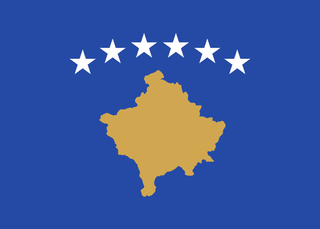
Kosovo
Avrupa
%11
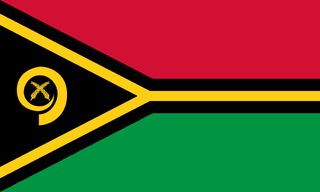
Vanuatu
Okyanusya
%10
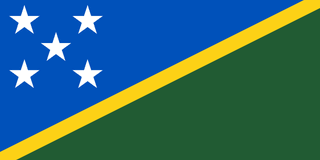
Solomon Islands
Okyanusya
%10
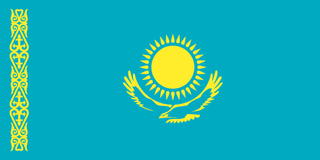
Kazakhstan
Asya
%9
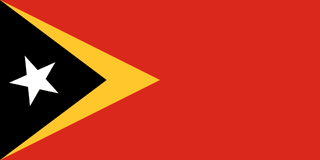
Timor-Leste
Asya
%8
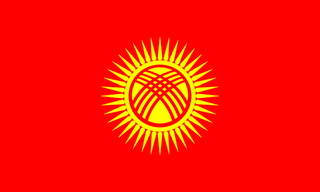
Kyrgyzstan
Asya
%8
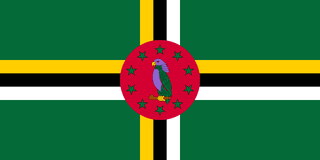
Dominica
Amerika
%8
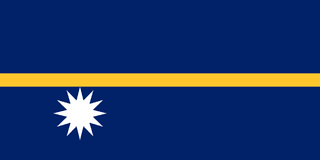
Nauru
Okyanusya
%8
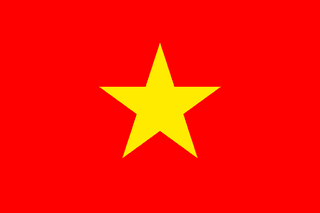
Vietnam
Asya
%7
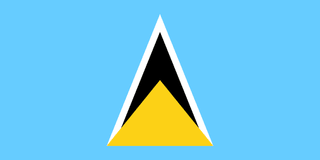
Saint Lucia
Amerika
%7
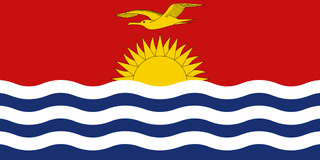
Kiribati
Okyanusya
%7
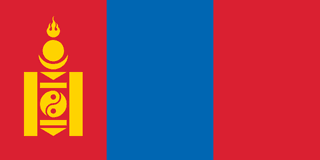
Mongolia
Asya
%7
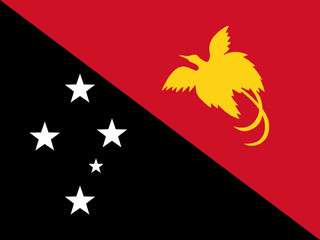
Papua New Guinea
Okyanusya
%6
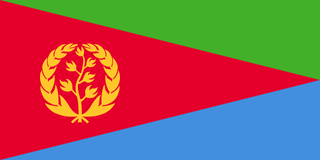
Eritrea
Afrika
%6
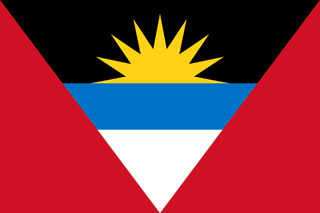
Antigua and Barbuda
Amerika
%6
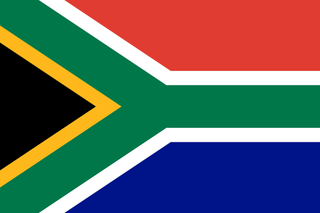
South Africa
Afrika
%5
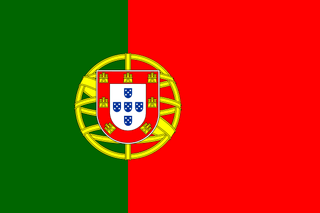
Portugal
Avrupa
%5
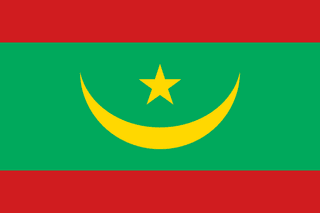
Mauritania
Afrika
%5
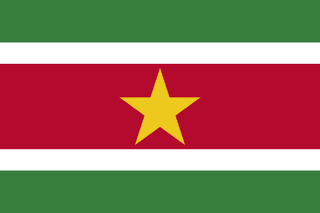
Suriname
Amerika
%5
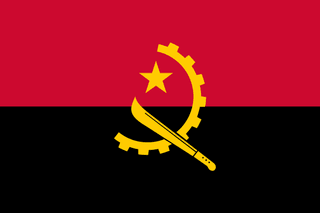
Angola
Afrika
%4
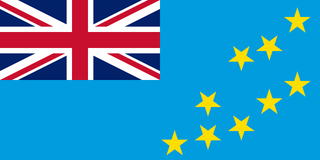
Tuvalu
Okyanusya
%4
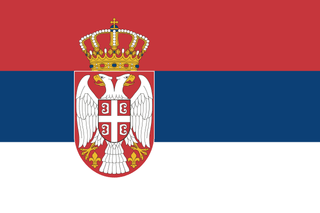
Serbia
Avrupa
%4
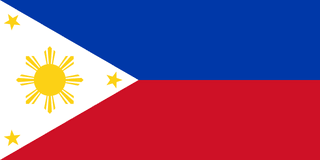
Philippines
Asya
%4
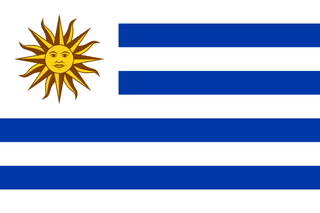
Uruguay
Amerika
%3
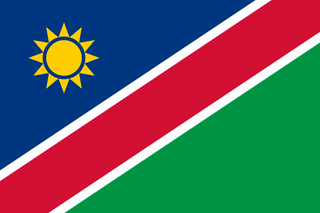
Namibia
Afrika
%3
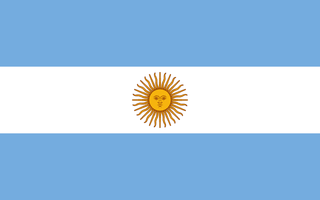
Argentina
Amerika
%2
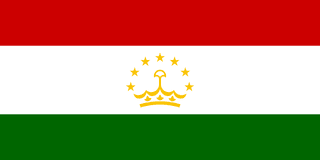
Tajikistan
Asya
%2
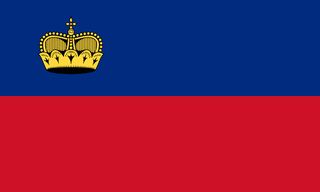
Liechtenstein
Avrupa
%2
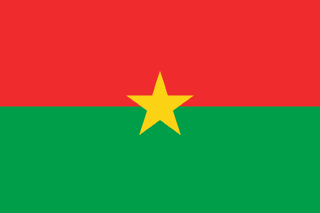
Burkina Faso
Afrika
%2
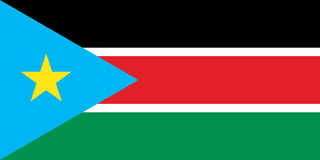
South Sudan
Afrika
%2
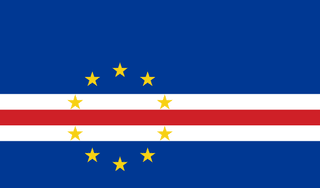
Cape Verde
Afrika
%1


