Yükleniyor…
138 bayrakta kullanılıyor#DC143C
Red
Universal symbol of courage, revolution, and sacrifice; the most common color in world flags.
Rengin Hikayesi
The Color of Blood and Fire: How Red Conquered the World's Flags
Red is among the oldest and most enduring symbolic colors in human history. In Ancient Rome, it dominated military standards known as vexilla, signaling authority, martial power, and the might of the empire. Throughout the Middle Ages, red simultaneously adorned the banners of royal dynasties and the vestments of the Catholic Church, making it a color of dual sacred and secular authority.
The historical scarcity of red pigments further cemented its status as a mark of prestige. Dyes derived from the kermes insect or red iron oxide were extraordinarily expensive, meaning that a red flag was an open declaration of its bearer's wealth and power. Everything shifted dramatically in the nineteenth century: the Revolutions of 1848 and the rising labor movements that followed wrenched red away from the ruling classes and transformed it into the universal emblem of popular resistance and collective struggle.
One Color, a Thousand Meanings: The Symbolic World of Red
The symbolic weight of red varies strikingly across cultures. In East Asian tradition, red carries associations of prosperity, joy, and protective power. The dominant red field of China's national flag fuses the memory of the Revolution of 1949 with the deep cultural identification of red as a color of celebration and good fortune. The largest of the five stars represents the Communist Party, while the remaining four stand for the working class, peasantry, urban petty bourgeoisie, and national bourgeoisie — all given meaning against that scarlet ground.
Across the Islamic world, red has frequently been associated with martyrdom and sacred struggle. The deep red of Morocco's flag is a direct reference to the Alaouite dynasty and its claimed descent from the Prophet Muhammad; the green Seal of Solomon at its center anchors the Islamic faith to this dynastic crimson. In Turkey, red carries a distinct narrative: the red field of the crescent-and-star flag evokes the blood of Ottoman martyrs while simultaneously proclaiming the sovereignty of the state and the unity of the nation.
Vietnam's red flag bearing a golden star was adopted by the Viet Minh movement under Ho Chi Minh in the 1940s; the red ground symbolizes socialist revolution while the five-pointed star represents the five social strata of workers, peasants, soldiers, intellectuals, and youth. Kyrgyzstan's red field draws on an entirely different heritage: inspired by the banner of the legendary hero Manas from Kyrgyz epic poetry, the color reframes a nomadic steppe tradition within the language of a modern national flag.
From Revolution to Sovereignty: Red's Enduring Global Legacy
Today, more than seventy percent of the world's independent states include red in their national flags, making it unquestionably the most prevalent color in vexillology. This remarkable ubiquity does not stem from a single unified meaning but rather from the richness of its contradictory layers: the very same color can simultaneously stand for monarchy and republic, for religion and socialism, for nature and revolution.
The red of Canada's maple leaf flag is rooted in landscape and national identity, while Switzerland's red-and-white banner is the chromatic inverse of the Red Cross symbol — itself a testament to humanitarian neutrality. In Japan, red is the national identity itself: the crimson disc on a white field, known as the Hinomaru, has represented the Land of the Rising Sun for centuries, constructing a narrative of deep historical continuity.
Red contains within itself a unique paradox of vexillological history: it has been both the color of the oldest dynasties and the color of the revolutions that toppled them. From the French Revolution to the Bolshevik Revolution, from Ottoman imperial standards to the republics of the Far East, red has been perpetually redefined across geographies and centuries — yet it has never once lost its power to command the eye or to stir the human imagination.
138 bayrakta kullanılıyor
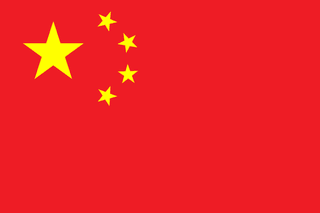
China
Asya
%98
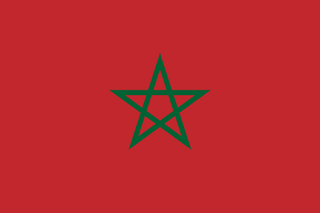
Morocco
Afrika
%97
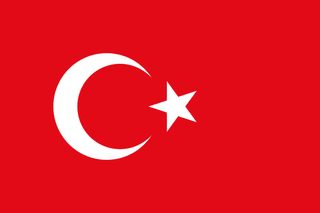
Turkey
Avrupa/Asya
%94
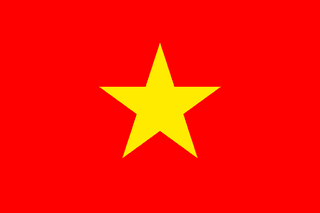
Vietnam
Asya
%93
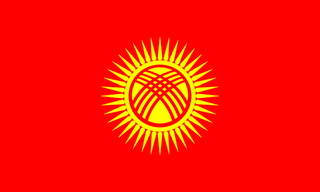
Kyrgyzstan
Asya
%92
Hong Kong
Asya
%91
Tunisia
Afrika
%91
Albania
Avrupa
%88

Switzerland
Avrupa
%80
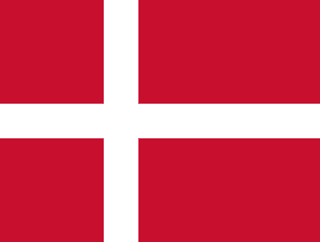
Denmark
Avrupa
%77
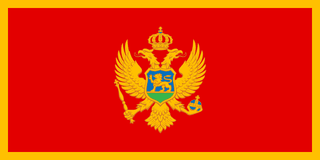
Montenegro
Avrupa
%76

Timor-Leste
Asya
%75

Samoa
Okyanusya
%75
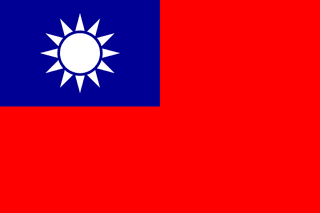
Taiwan
Asya
%75
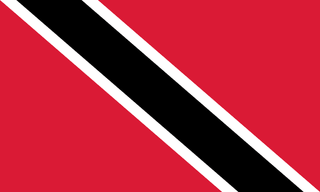
Trinidad and Tobago
Amerika
%70
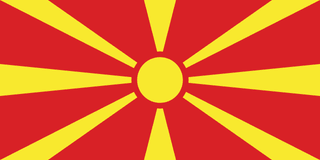
North Macedonia
Avrupa
%68

Bahrain
Asya
%68
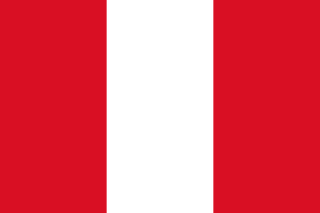
Peru
Amerika
%67
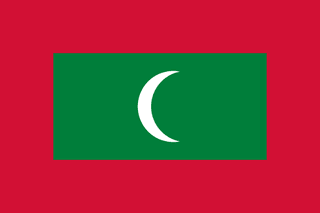
Maldives
Asya
%66

Austria
Avrupa
%66
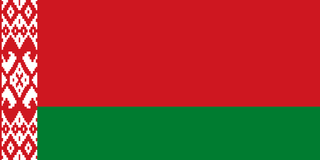
Belarus
Avrupa
%66

Canada
Amerika
%64
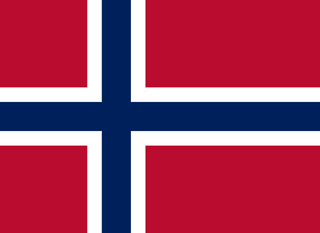
Norway
Avrupa
%62
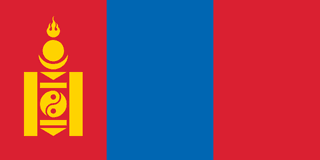
Mongolia
Asya
%61
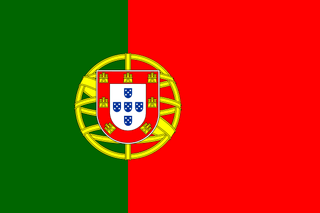
Portugal
Avrupa
%57
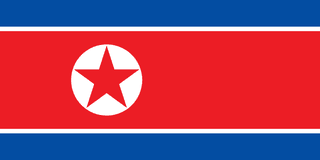
North Korea
Asya
%57
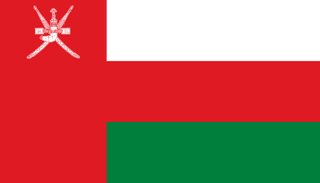
Oman
Asya
%55
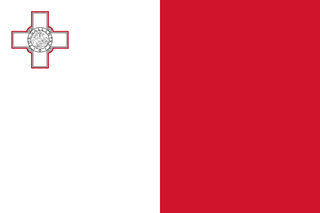
Malta
Avrupa
%51
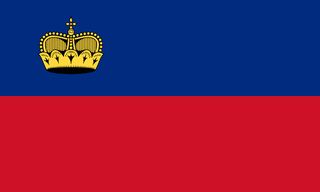
Liechtenstein
Avrupa
%51

Poland
Avrupa
%50

Indonesia
Asya
%50
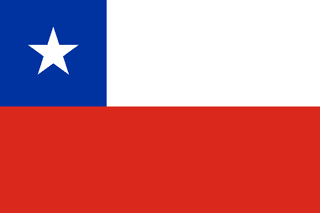
Chile
Amerika
%50
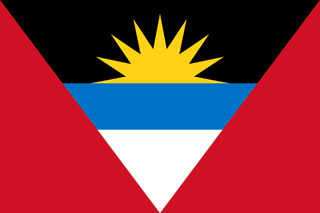
Antigua and Barbuda
Amerika
%50

Monaco
Avrupa
%50
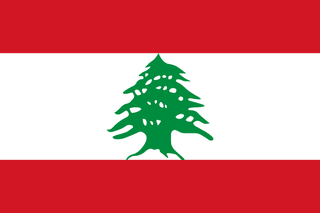
Lebanon
Asya
%50
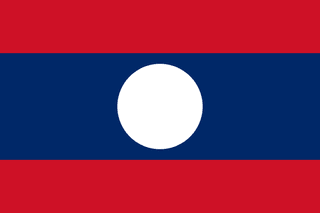
Laos
Asya
%50
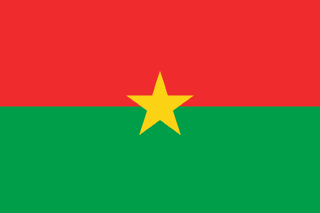
Burkina Faso
Afrika
%49
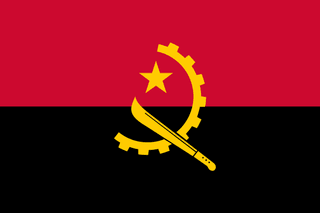
Angola
Afrika
%48
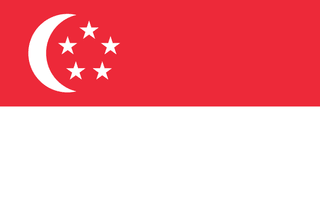
Singapore
Asya
%48
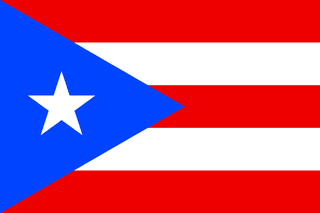
Puerto Rico
Amerika
%46
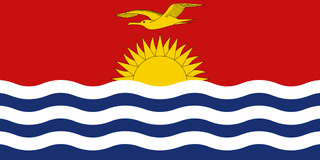
Kiribati
Okyanusya
%45
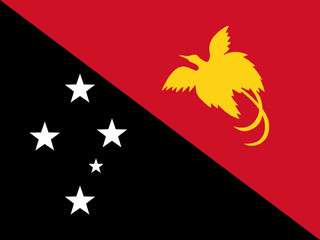
Papua New Guinea
Okyanusya
%45
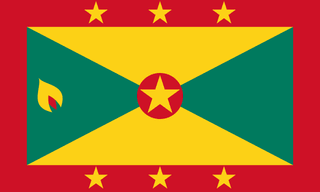
Grenada
Amerika
%41
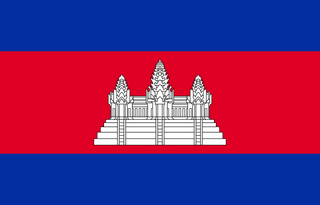
Cambodia
Asya
%40
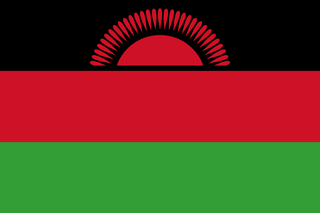
Malawi
Afrika
%39
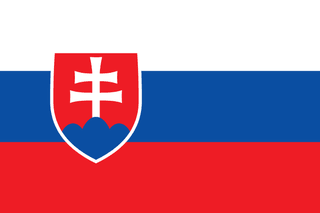
Slovakia
Avrupa
%39

Philippines
Asya
%39
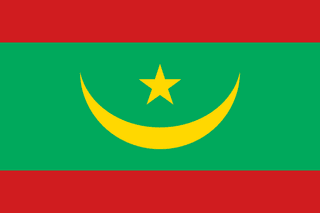
Mauritania
Afrika
%39
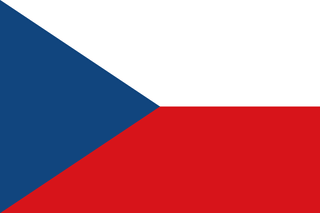
Czechia
Avrupa
%38

United Kingdom
Avrupa
%37
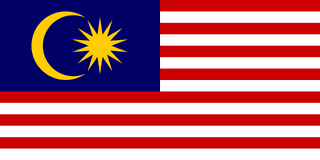
Malaysia
Asya
%37

Nepal
Asya
%37
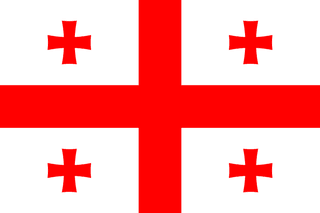
Georgia
Asya
%36
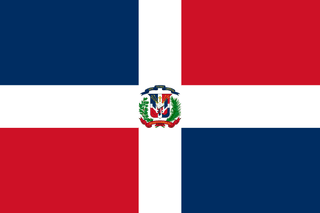
Dominican Republic
Amerika
%35
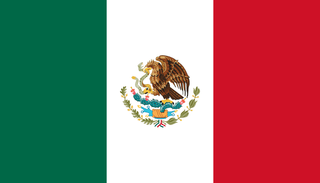
Mexico
Amerika
%35
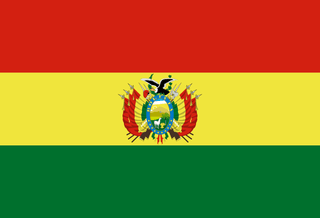
Bolivia
Amerika
%35
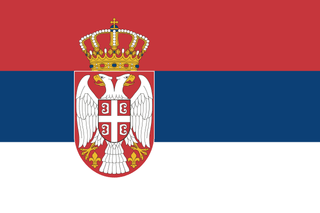
Serbia
Avrupa
%34
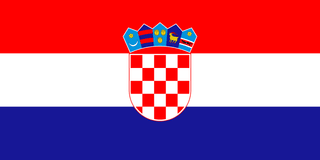
Croatia
Avrupa
%34
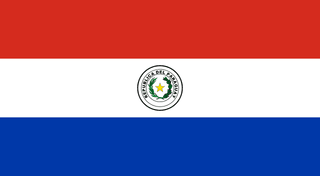
Paraguay
Amerika
%34
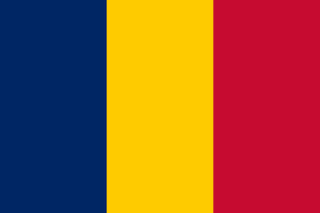
Chad
Afrika
%34
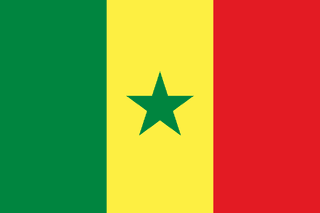
Senegal
Afrika
%34
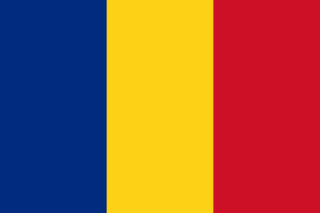
Romania
Avrupa
%34
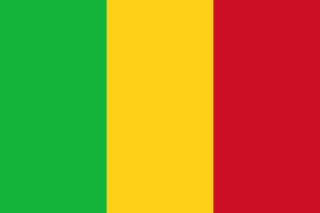
Mali
Afrika
%34

Italy
Avrupa
%34
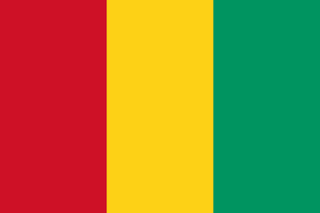
Guinea
Afrika
%34

France
Avrupa
%34
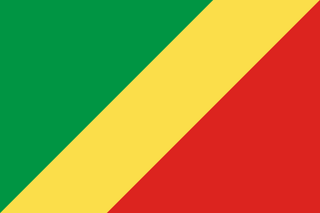
Republic of the Congo
Afrika
%34

Belgium
Avrupa
%34
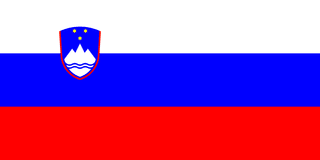
Slovenia
Avrupa
%33
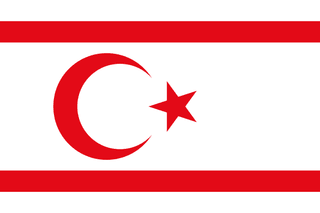
Northern Cyprus
Avrupa
%33

Luxembourg
Avrupa
%33
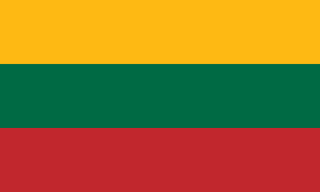
Lithuania
Avrupa
%33
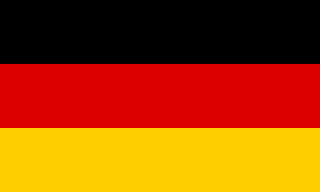
Germany
Avrupa
%33
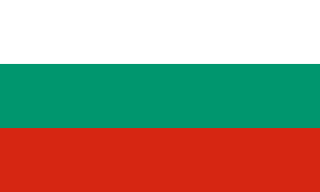
Bulgaria
Avrupa
%33
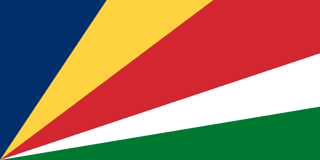
Seychelles
Afrika
%33

Yemen
Asya
%33
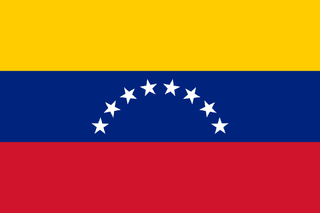
Venezuela
Amerika
%33
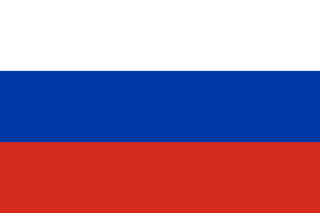
Russia
Avrupa/Asya
%33
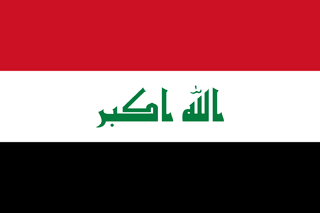
Iraq
Asya
%33
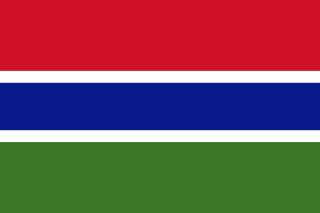
Gambia
Afrika
%33
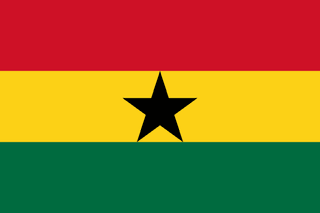
Ghana
Afrika
%33
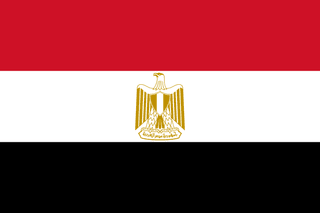
Egypt
Afrika
%33
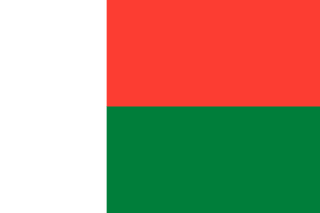
Madagascar
Afrika
%33

Hungary
Avrupa
%33
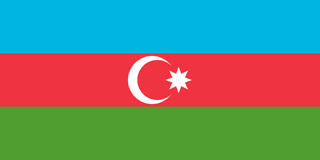
Azerbaijan
Asya
%32
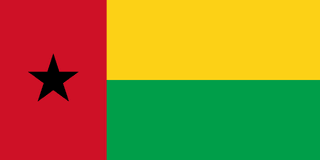
Guinea-Bissau
Afrika
%32
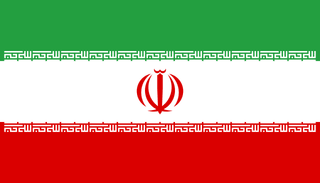
Iran
Asya
%32
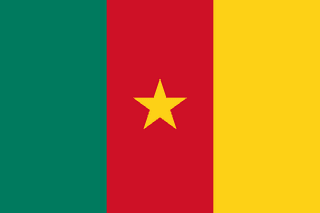
Cameroon
Afrika
%32
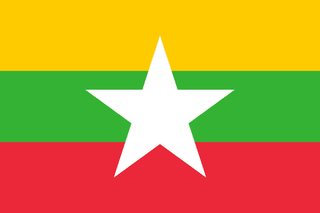
Myanmar
Asya
%31
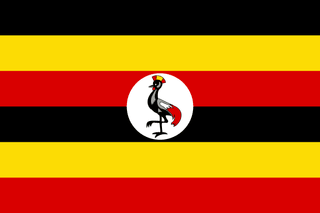
Uganda
Afrika
%31
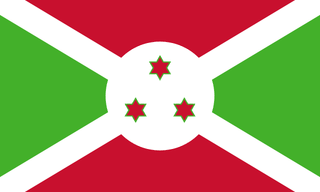
Burundi
Afrika
%31
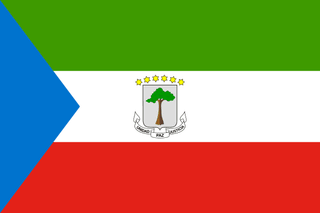
Equatorial Guinea
Afrika
%30
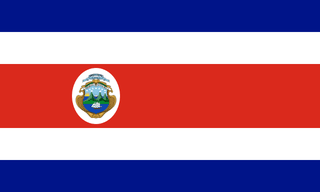
Costa Rica
Amerika
%30
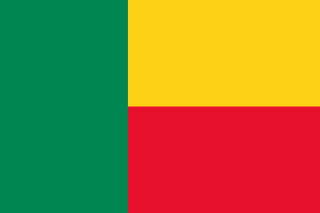
Benin
Afrika
%30
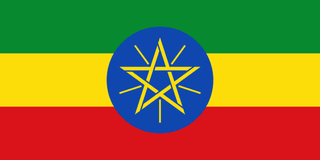
Ethiopia
Afrika
%30

England
Avrupa
%30

Sudan
Afrika
%29
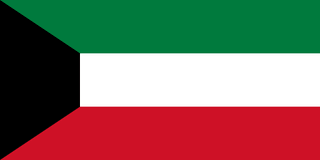
Kuwait
Asya
%29
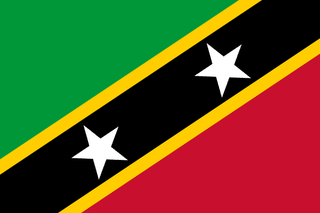
Saint Kitts and Nevis
Amerika
%28
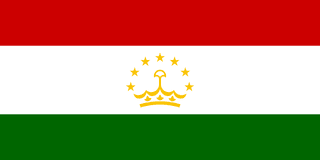
Tajikistan
Asya
%28
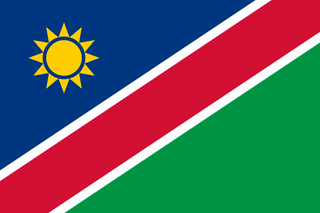
Namibia
Afrika
%28
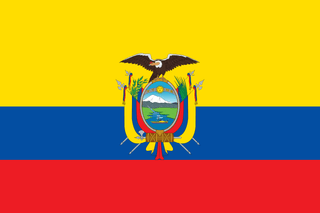
Ecuador
Amerika
%27
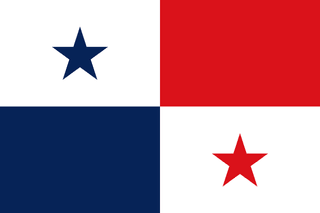
Panama
Amerika
%27
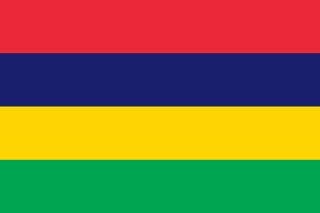
Mauritius
Afrika
%26
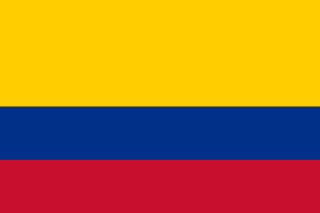
Colombia
Amerika
%26
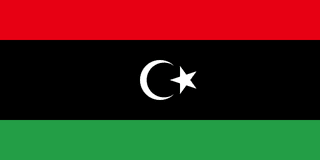
Libya
Afrika
%25

United Arab Emirates
Asya
%25
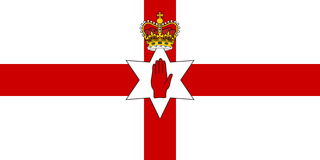
Northern Ireland
Avrupa
%25
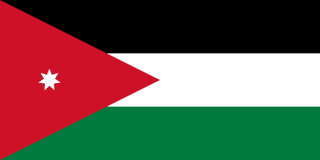
Jordan
Asya
%25
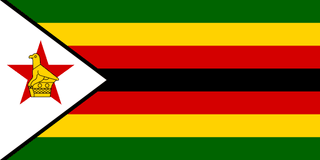
Zimbabwe
Afrika
%22
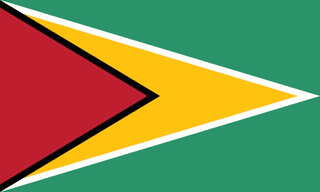
Guyana
Amerika
%21
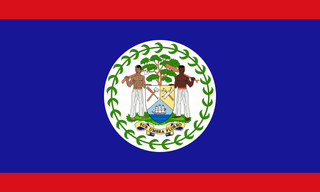
Belize
Amerika
%21
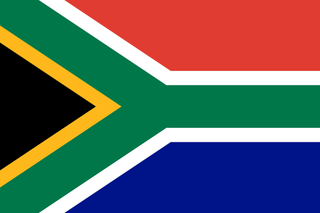
South Africa
Afrika
%21
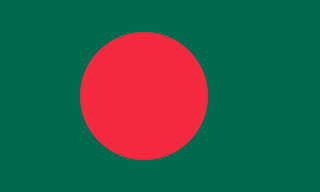
Bangladesh
Asya
%21
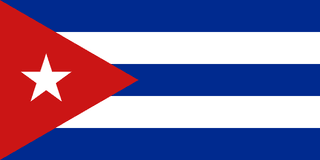
Cuba
Amerika
%20
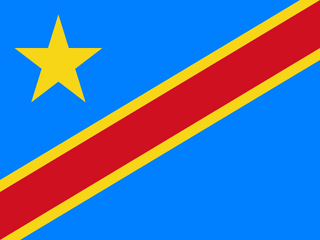
Democratic Republic of the Congo
Afrika
%20
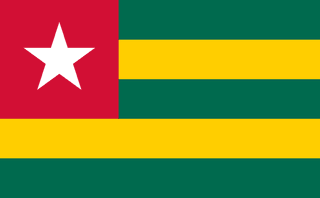
Togo
Afrika
%20
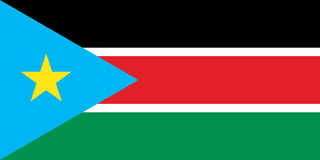
South Sudan
Afrika
%19
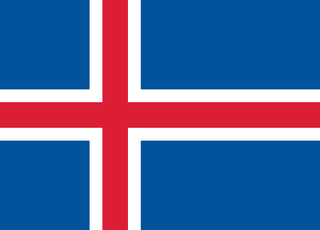
Iceland
Avrupa
%18
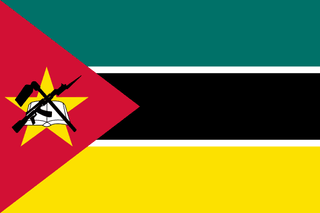
Mozambique
Afrika
%18
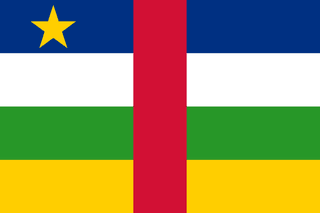
Central African Republic
Afrika
%17
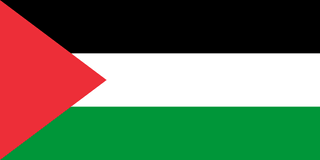
Palestine
Asya
%17
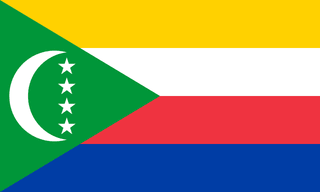
Comoros
Afrika
%16
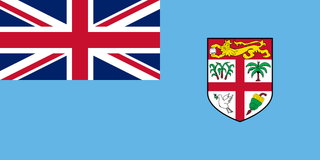
Fiji
Okyanusya
%14
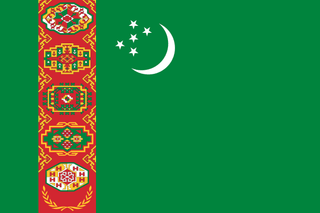
Turkmenistan
Asya
%13
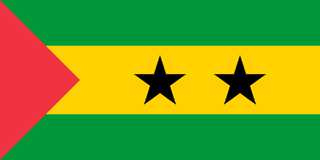
São Tomé and Príncipe
Afrika
%12
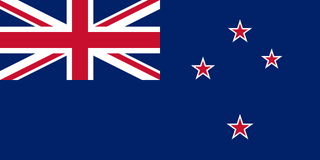
New Zealand
Okyanusya
%10

Australia
Okyanusya
%10
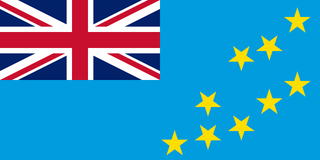
Tuvalu
Okyanusya
%9
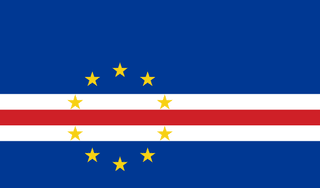
Cape Verde
Afrika
%9
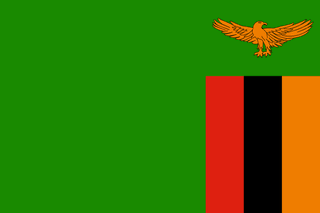
Zambia
Afrika
%8
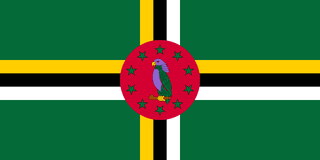
Dominica
Amerika
%8

South Korea
Asya
%7
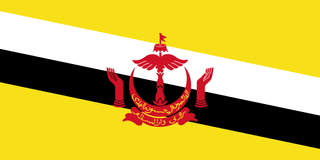
Brunei
Asya
%6
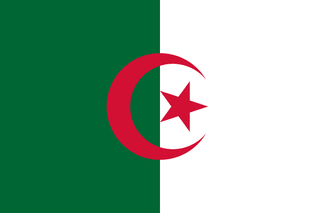
Algeria
Afrika
%6
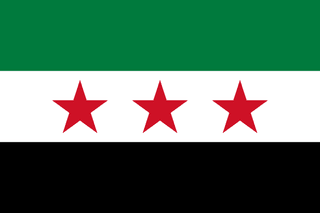
Syria
Asya
%4
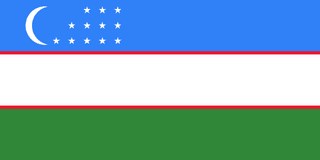
Uzbekistan
Asya
%4
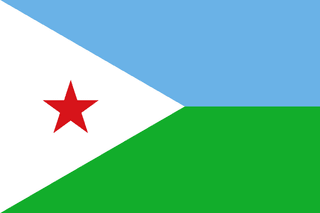
Djibouti
Afrika
%1


