Yükleniyor…
19 bayrakta kullanılıyor#8B0000
Dark Red
Maroon and burgundy tones; color of historical dynasties and ancient empires.
Rengin Hikayesi
The Deepest Shade of Blood and Power
When tracing the history of flag colors, dark red proves to have a far older and more deeply rooted past than its brighter counterpart. While vivid scarlet is largely a product of synthetic pigments and modern age dyes, the deep, almost brownish crimson around #8B0000 is the distilled legacy of natural dyes — chiefly cochineal and madder root. From medieval Europe to Asian courts, this tone was considered the purest and most costly form of red, and as a result became an enduring symbol of authority and power.
Before pigment standards were established, the reds used in flags and banners would fade and darken when exposed to salt air, sunlight, and time. In many historic flags, therefore, the dark red we observe today is not always a deliberate choice but rather the outcome of natural aging. Over time, however, this weathered tone was embraced in its own right and became an inseparable element of national identity across many cultures.
From the Pacific Islands to the Baltic Coast: One Color, Many Nations
Tonga is one of the oldest Pacific kingdoms to have incorporated dark red into its national identity. Enshrined in its 1875 constitution, the deep crimson of the Tongan flag symbolizes the blood of Christ and Christian sacrifice, reinforced by a white canton bearing a bold red cross. The Tongan flag stands as one of the most powerful examples of religious symbolism fused with the dark red palette.
The dark red of Latvia's flag tells an entirely different story. Known as Latvian Red, the tone traces its origins to a 13th-century legend: a wounded Latvian warrior bled onto a white cloth, leaving the center untouched, and this image is said to have inspired the first national banner. The resulting dark red–white–dark red triband remains one of the oldest documented national color combinations in the world.
Qatar's version of dark red carries yet another cultural weight. Officially called maroon, this tone is said to reflect the natural fading of bright red under the intense Gulf sun, symbolically claimed as an emblem of endurance, resilience, and the blood of desert warriors. The distinctive serrated white border distinguishes Qatar's flag from every other in the world, making its dark maroon instantly recognizable.
Spain's Imperial Legacy and Haiti's Revolutionary Fire
The dark red bands of Spain's flag are rooted in the 18th-century color tradition of the House of Bourbon. Adopted in 1785 by King Charles III as a naval ensign, the red-yellow-red combination gradually became the national standard. The depth of this red is widely interpreted as a tribute to the grandeur of the Spanish Empire and the fighting spirit of the Reconquista.
Haiti's dark red holds perhaps the most revolutionary meaning in all of flag history. According to tradition, in 1803 Catherine Flon tore the white stripe from a French tricolor and sewed the remaining blue and red together — a gesture that was a symbolic rejection of white European colonialism. Haiti's red carries the blood and triumph of the world's first successful slave revolution, making it the color of the 1804 Revolution and of freedom itself.
Dark red has thus secured a place in vexillological history not only as a political symbol, but as a profoundly human one. Where bright red shouts of conquest, dark red whispers of sacrifice, deep heritage, and unbroken resistance. From Tonga's Pacific faith to Latvia's Baltic legend, from Spain's imperial memory to Haiti's revolutionary flame, this color continues to tell a shared human story across continents and centuries.
19 bayrakta kullanılıyor
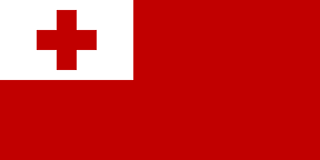
Tonga
Okyanusya
%83

Latvia
Avrupa
%80

Qatar
Asya
%67
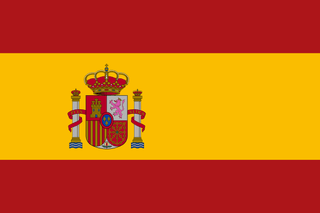
Spain
Avrupa
%54
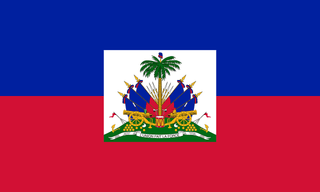
Haiti
Amerika
%53
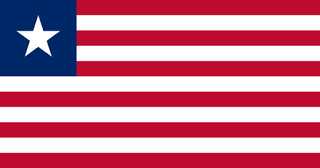
Liberia
Afrika
%49
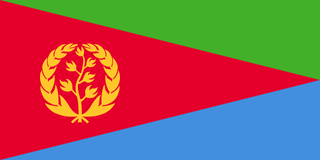
Eritrea
Afrika
%44
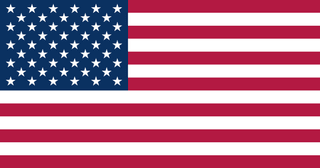
United States
Amerika
%42
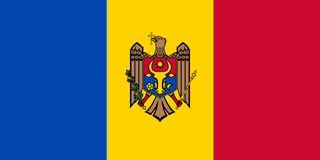
Moldova
Avrupa
%38
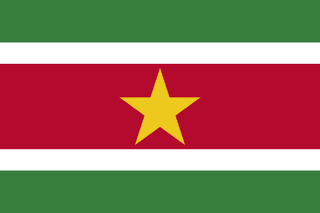
Suriname
Amerika
%37
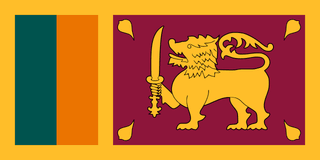
Sri Lanka
Asya
%35
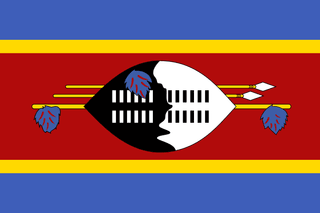
Eswatini
Afrika
%34
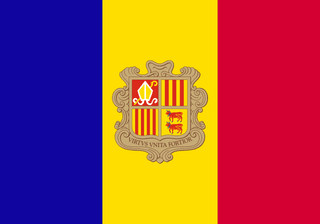
Andorra
Avrupa
%34
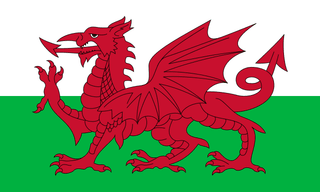
Wales
Avrupa
%33
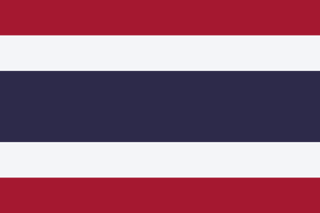
Thailand
Asya
%33
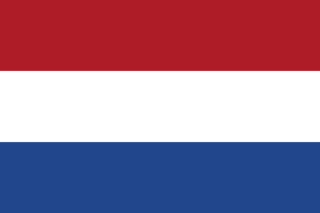
Netherlands
Avrupa
%33
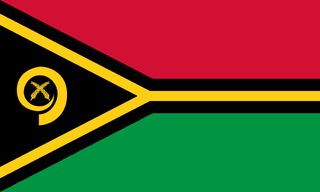
Vanuatu
Okyanusya
%31
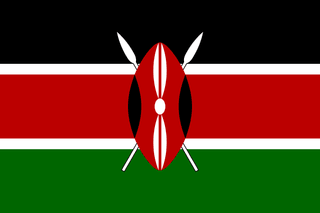
Kenya
Afrika
%30
Japan
Asya
%19


