Yükleniyor…
17 bayrakta kullanılıyor#FACC15
Yellow
Color of sun, prosperity, and enlightenment; prominent in Latin American and African flags.
Rengin Hikayesi
The Color of Gods and Emperors
Yellow is one of the oldest and most symbolically charged colors in human history. In Ancient China, yellow was considered a sacred color reserved exclusively for the emperor — commoners were forbidden from wearing it. This tradition laid the foundation for yellow's entry into flags and heraldic systems as a symbol of supreme power and divine selection.
Gold yellow became an indispensable element of the heraldic system throughout medieval Europe. Known as or on knights' shields and royal coats of arms, it represented both material wealth and divine radiance. The black-and-yellow palette of the Holy Roman Empire still resonates today in the colors of Austria and Germany, testifying to yellow's enduring dynastic legacy.
From the Sacred to the Revolutionary: Yellow's Two Faces
The yellow in the Vatican flag directly evokes papal gold and the Church's dual authority over both spiritual and worldly realms. The Vatican's yellow-and-white pairing is traced back to the keys of Saint Peter: the golden key opens heaven, while the silver key opens earth. This symbolism transforms yellow from a mere color into a theological language.
In Southeast Asia, yellow carries a different but equally profound meaning. The yellow ground of the Brunei flag reflects the sultan's authority and the country's Muslim monarchical tradition. In monarchies such as Malaysia and Thailand, yellow serves as the dynastic color, occupying a defining role in flags and official protocol.
The yellow stripe on Venezuela's tricolor carries an entirely different set of associations: drawing from Simón Bolívar's independence movement, it represents the continent's fertile lands, gold, and natural resources. The same yellow heritage lives on in the flags of Colombia and Ecuador — all three nations inherited it from the legacy of Gran Colombia.
Sun, Soil, and Freedom: Yellow in Africa and Andorra
The yellow in Uganda's flag symbolizes the fertile land and sunshine of East Africa. As part of the Pan-African color palette — inspired by the historic flag of Ethiopia — yellow spread across the flags of many newly independent African nations in the mid-twentieth century. In countries like Ghana, Senegal, and Cameroon, yellow represents freedom, natural abundance, and the life-giving power of the sun.
The yellow on the Andorra flag appears within the coat of arms, reflecting the country's unique co-principality structure. Shaped by both French and Spanish influences, this small Pyrenean state's use of yellow is a direct continuation of the deep-rooted European heraldic tradition. The color's persistence across such diverse geographies underscores just how universal and enduring yellow is as a vexillological element.
Ultimately, yellow possesses a remarkable flexibility in the world of flags: it simultaneously embodies divine authority, royal dynasty, revolutionary freedom, and nature's abundance — a breadth of meaning few other colors can match. That yellow is the color of the sun makes this versatility feel entirely natural; the sun, after all, has never been confined to a single meaning.
17 bayrakta kullanılıyor
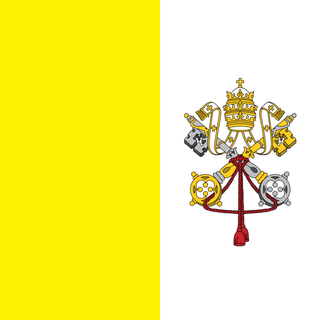
Vatican City
Avrupa
%56
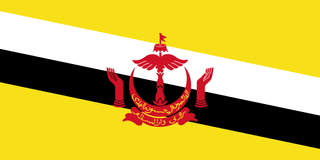
Brunei
Asya
%55
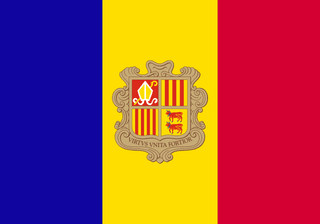
Andorra
Avrupa
%34
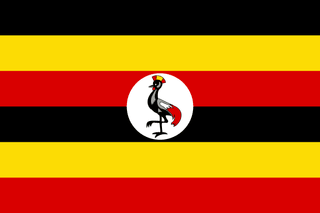
Uganda
Afrika
%33
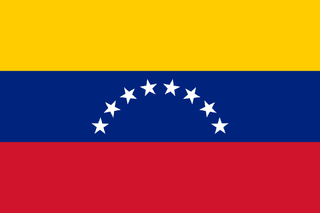
Venezuela
Amerika
%33
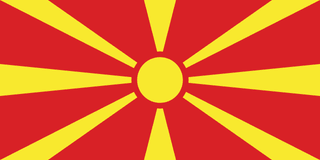
North Macedonia
Avrupa
%32
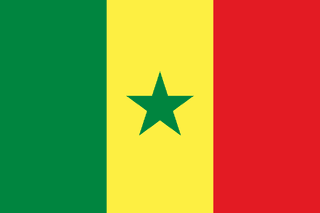
Senegal
Afrika
%31
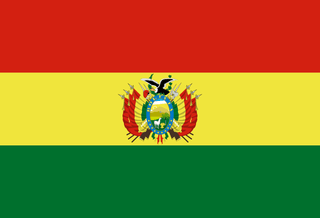
Bolivia
Amerika
%30
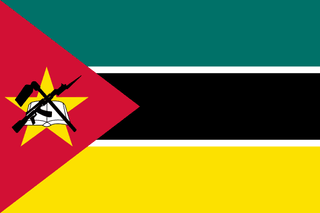
Mozambique
Afrika
%29
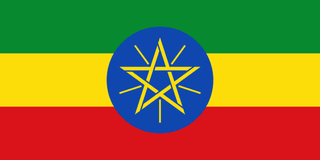
Ethiopia
Afrika
%26
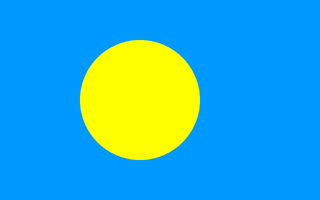
Palau
Okyanusya
%18
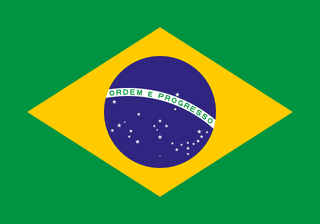
Brazil
Amerika
%18
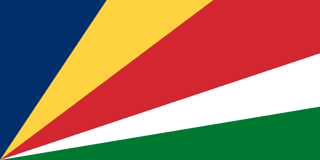
Seychelles
Afrika
%17
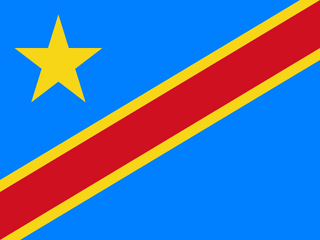
Democratic Republic of the Congo
Afrika
%13

China
Asya
%2
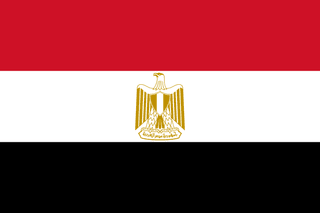
Egypt
Afrika
%2
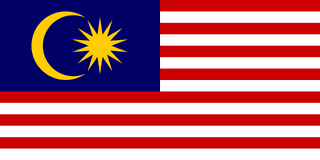
Malaysia
Asya
%0


