Yükleniyor…
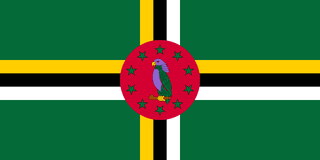
1 bayrakta kullanılıyor#7E22CE
Purple
Color of nobility and rarity; very seldom used in national flags.
Rengin Hikayesi
From Royal Prohibition to National Symbol: The Price of Purple
Purple has historically been the most expensive and most restricted color in the world. Known in antiquity as Phoenician purple or Tyrian purple, it was extracted from the glands of Murex sea snails — thousands of mollusks were sacrificed for a single gram of dye, making the color more valuable than gold. In the Roman Empire, only emperors were permitted to wear it, cementing purple as the supreme symbol of political power and divine authority.
Throughout medieval Europe, purple retained its privileged status within the Catholic Church's ecclesiastical hierarchy, functioning alongside cardinal red as the visual language of spiritual authority. The extraordinary difficulty of producing the dye meant that purple remained accessible only to the most powerful dynasties and institutions. This is precisely why purple is so rare on historical flags — reliably dyeing fabric in this color was an almost insurmountable challenge for centuries.
The landscape changed dramatically in 1856, when British chemist William Henry Perkin accidentally synthesized the first artificial purple dye, known as mauveine. For the first time, the color became accessible to the broader public. Yet by this point, most of the world's national flags had already been standardized, which is why purple entered the vocabulary of national symbolism so late — and so sparingly.
A Rare Privilege: The Symbolism Behind Purple Flags
The symbolic layers carried by purple in flag design are remarkably rich. On one hand, it evokes sovereignty, nobility, and elevated status; on the other, many cultures associate it with spirituality, intuition, and transformation. Nicaragua's national coat of arms contains a rainbow that includes purple — one of the rare uses of the color in official heraldry — symbolizing both liberty and the country's geographic position between two oceans.
Dominica stands alone as the only national flag in the world to feature purple in a direct and prominent way. The Sisserou parrot (Amazona imperialis) at the center of the flag is depicted in its natural plumage of deep purple and green — a bird found nowhere else on Earth and critically endangered. This choice transforms purple from a marker of political prestige into an expression of biodiversity and natural heritage, making it a genuinely unique case study in vexillology.
During Spain's Second Republic (1931–1939), the national flag incorporated a purple stripe drawn from the medieval heraldry of Castile. This short-lived but symbolically loaded usage linked purple to republicanism and popular sovereignty, adding yet another dimension to the color's ideological spectrum. The episode remains a significant reference point in the literature of flag history.
Purple on the Horizon: Identity and Rarity in Contemporary Flag Design
Today, purple remains one of the most exceptional colors in national flag design. Among more than 200 national flags worldwide, genuine use of purple can be counted on one hand. This rarity creates a paradox: purple is simultaneously one of the most visually powerful choices a designer can make and one of the most perilous, since it can carry connotations of mourning, coldness, or ambiguity if deployed without careful cultural grounding.
Purple has also found renewed significance through its association with LGBTQ+ movements and feminist symbolism, appearing prominently in various social and movement flags across the contemporary world. This shifts the color's narrative away from aristocratic privilege and toward solidarity and social transformation. From a vexillological perspective, this evolution illustrates a fundamental truth: the meaning of a color is never fixed — it transforms with historical, political, and cultural context.
Ultimately, purple offers perhaps the most compelling case study in the history of flag colors. A pigment once reserved exclusively for emperors and high clergy now represents the natural richness and sovereign identity of one of the world's smallest island nations. Dominica's Sisserou parrot places purple at the intersection of ecology and nationhood, bringing this extraordinary color's long journey to its most meaningful destination yet.