Yükleniyor…
18 bayrakta kullanılıyor#1E40AF
Blue
Color of sky, sea, and freedom; symbol of independence movements.
Rengin Hikayesi
From the Heavens to the Mast: Blue's Eternal Journey
Blue stands as one of the oldest and most precious colors in human history. In antiquity, the pigment derived from lapis lazuli was so rare and costly that it was reserved exclusively for royalty and religious iconography. During the European Middle Ages, its use in depictions of the Virgin Mary elevated blue to a nearly sacred status, setting it apart from all other hues.
The synthesis of Prussian blue in the 18th century democratized the color and propelled it from art into politics. In the tradition of heraldry, blue — known as azure — symbolized loyalty and nobility, adorning the coats of arms of aristocratic houses across Europe. Revolutionary movements were quick to harness this deep symbolic weight for their own national identities.
Ocean, Liberty, and Sovereignty: The Symbolic Universe of Blue
In flag symbolism, blue carries three primary layers of meaning: sky, sea, and peace. The horizontal blue stripes in the flags of Honduras, Nicaragua, and Guatemala represent the nation's position between two great oceans — the Atlantic and the Pacific. This geographical symbolism has become a defining feature of Central American collective identity.
The deep blue field of Kosovo's flag, adopted in 2008, carries a distinctly different message: a deliberate alignment with the values of the United Nations and the European Union, embodying international peace and integration. In the Democratic Republic of the Congo, blue evokes not only the sky and peace but also the hope of national reconstruction for its people.
According to vexillological surveys, blue ranks as the third most common color on world flags, after red and white. This prevalence is no coincidence; blue's universal associations with neutrality, trust, and stability make it the least politically contentious color a nation can choose for its banner.
From Central America to Europe: The Great Blue Legacies
The blue-white-blue horizontal triband, inherited from the early 19th-century flag of the Federal Republic of Central America, lives on today in the flags of Honduras, Nicaragua, and El Salvador. This shared design is a tangible memory of the region's struggle for independence from Spanish colonial rule and its enduring ideal of federal unity.
Greece's iconic blue-and-white banner merges the waters of the Aegean with the spirit of freedom from the Greek Revolution, while Sweden's blue flag bearing a golden cross remains one of the most powerful symbols of Scandinavian identity. The navy-blue flag of the European Union, adorned with twelve gold stars, demonstrates how blue has evolved in the modern era into a symbol of continental peace and alliance.
Blue's journey through the world of flags is perhaps the most compelling proof of how a single color can transcend geographies, ideologies, and centuries. From the lapis lazuli of ancient Egypt to the independence flag of 21st-century Kosovo, this arc reminds us that blue is not merely a color — it is a shared language of humanity.
18 bayrakta kullanılıyor
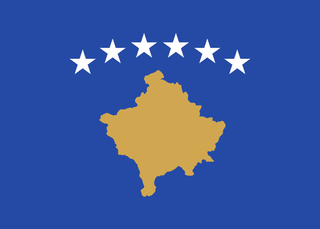
Kosovo
Avrupa
%88
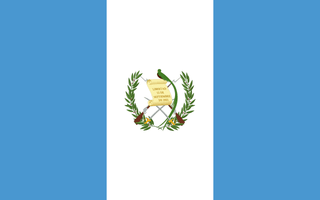
Guatemala
Amerika
%69
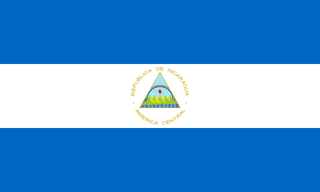
Nicaragua
Amerika
%67
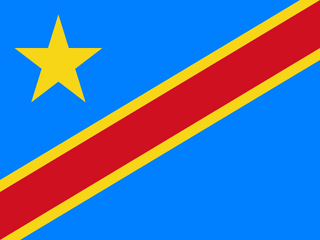
Democratic Republic of the Congo
Afrika
%67
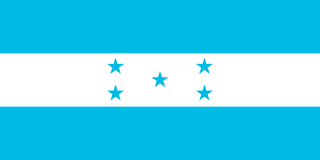
Honduras
Amerika
%67
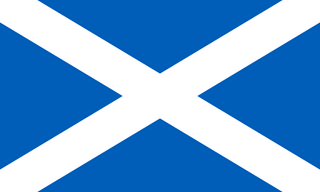
Scotland
Avrupa
%59
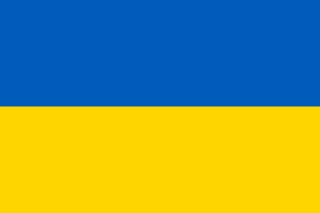
Ukraine
Avrupa
%50
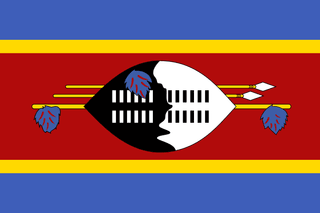
Eswatini
Afrika
%41
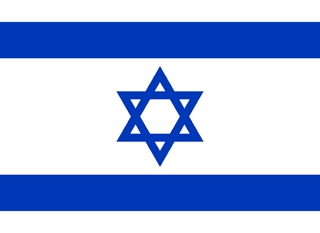
Israel
Asya
%36
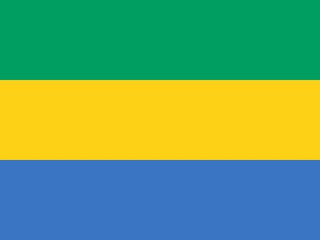
Gabon
Afrika
%33
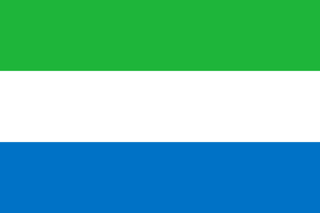
Sierra Leone
Afrika
%33

Estonia
Avrupa
%33
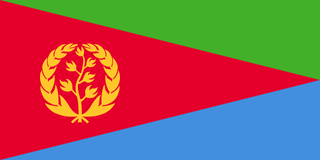
Eritrea
Afrika
%25
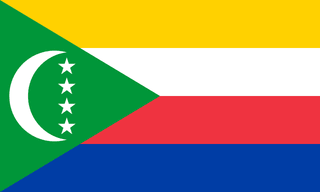
Comoros
Afrika
%22
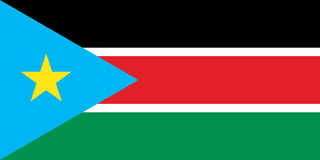
South Sudan
Afrika
%20
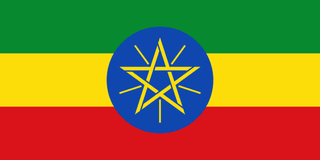
Ethiopia
Afrika
%14
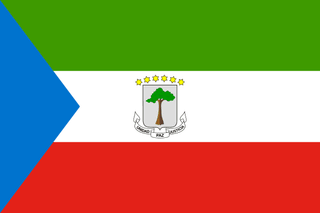
Equatorial Guinea
Afrika
%13
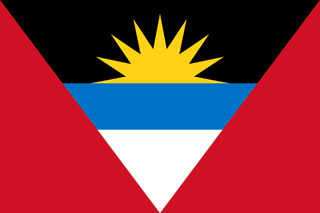
Antigua and Barbuda
Amerika
%11


