Yükleniyor…
16 bayrakta kullanılıyor#7DD3FC
Light Blue
Sky blue tones; symbol of peace and hope, associated with the UN flag.
Rengin Hikayesi
Born from Sky and Sea: The Rise of Light Blue in Flag History
Light blue is one of the rare tones in flag design that unites two of nature's most universal images — the sky and the ocean — within a single hue. Unlike the deeper azure of classical heraldry, light blue only began appearing prominently on official flags in the 19th and 20th centuries, when advances in dye manufacturing made the mass production of this delicate shade commercially viable.
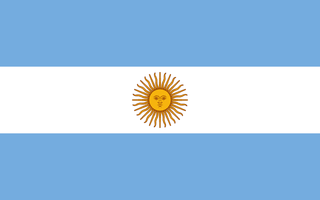
Argentina played a pioneering role in bringing light blue to the world of flags. The pale blue stripes of the Argentine flag, adopted in 1818, were said to reflect the clear sky above the Río de la Plata region, interweaving the colors of independence with the spirit of revolution. This choice laid the groundwork for light blue to become symbolically associated with liberty and sovereignty across Latin America and Central America.
A pivotal moment came in 1945, when the United Nations adopted light blue as its institutional color. The pale blue of UN peacekeeping helmets and the organization's flag cemented the tone's global association with peace and international cooperation, inspiring many newly independent nations to reach for light blue when designing their own national symbols.
Horizons Without End: The Layered Meanings of Light Blue
Light blue is a remarkably multidimensional color in terms of symbolism. As a representation of the sky, it evokes sovereignty and freedom; as a representation of the ocean, it speaks to abundance, navigation, and the spirit of exploration. For island nations of the Pacific and Indian Ocean basins, choosing light blue is not merely an aesthetic decision — it is a declaration of geographic identity.
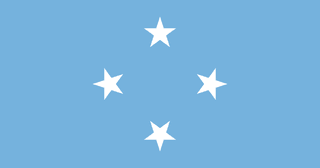
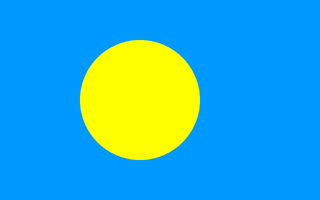
The light blue field of the Federated States of Micronesia directly expresses the nation's location within the Pacific Ocean and the ancient relationship its peoples have maintained with the sea. Similarly, the pale blue of Palau's flag is an explicit reference to the vast sky encircling the great ocean. In these flags, light blue is not a background — it is the very substance of national identity.
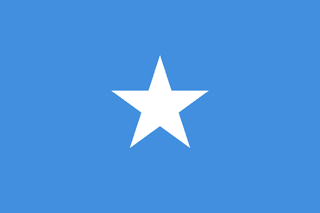
Culturally, light blue is broadly associated with peace, trust, and integrity. The light blue of Somalia's flag carries an additional layer of meaning: the five-pointed star, symbolizing the five historical regions inhabited by the Somali people, serves as the emblem of Pan-Somali aspirations, while the light blue field beneath it is also widely read as a symbolic tribute to the United Nations' role in shepherding Somali independence.
From Steppe to Shoreline: Light Blue Across the World's Flags
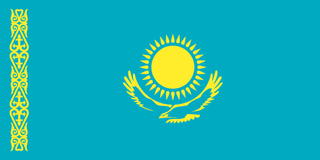
The light blue of Kazakhstan's flag draws its meaning from the image of an infinite sky arching over the vast Central Asian steppe. In the ancient mythology of Turkic peoples, the blue sky — Gök Tengri — was venerated as a sacred presence. Kazakhstan's flag reinterprets this tradition through a modern visual language, with its golden eagle and radiant sun appearing almost to soar against the light blue ground, reinforcing the themes of freedom and hope for the future.
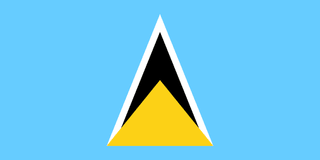
Saint Lucia's flag employs light blue within a distinct geographic narrative. The pale blue field represents both the Caribbean Sea and the Atlantic Ocean, visualizing the island's position between two great bodies of water. The black, white, and gold triangle at the center evokes the silhouette of the island's volcanic peaks against the sun, with light blue forming the natural frame of the entire composition.
The use of light blue in flag design remains dynamic and evolving. Alongside established examples such as Argentina, Finland, Israel, Greece, and Guatemala, younger nations like Somalia, Micronesia, and Palau have made light blue central to their national emblems. In the literature of vexillology, this tone continues to stand out as one of the rare colors capable of carrying both the most universal and the most locally specific meanings at the very same time.